October 2022
For many of us, life is settling into more familiar rhythms. As well, medical research has continued. There is plenty of relevant and interesting research into topics besides Covid. Today I am going to share some of the useful ideas that have caught my attention recently...and a few more words about Covid.
High dose folate is not safe in all situations.
The Journal of the American Medical Association recently published a paper on this issue. More readable is an article in Medscape, about the JAMA article, called
Increased cancer risk in children of mothers on anti-epileptic drugs taking high dose folic acid during pregnancy
Folic acid supplementation it is a complicated topic. Many people take methyl folate to help with problems perceived as related to genetic methylation differences. Sufficient folic acid is necessary during pregnancy to prevent neural tube defects in newborns. Children of women who take anti-epileptic drugs during pregnancy experience higher rates of autism. That autism risk is mitigated by high dose supplementation with folic acid. However, recent research reveals that children of mothers taking anti-seizure medication who take more than one mg of folic acid a day have increased cancer rates. Some cancer cells appear to thrive on folic acid.
The take home from all this is that higher doses of a vitamin are not necessarily better. I see a disturbing trend of people taking toxic doses of supplements. Even though a vitamin is sold over the counter, the results of taking large doses can be profound. It is important to be well informed about risks and benefits and proper dosage of vitamins.
Gaslighting in medical providers?
One of my roles with people over the years has been to help them navigate the conventional medical system in ways that optimize communication and care. Most people who become doctors are smart and caring people who work in a difficult system. An NYT article provocatively titled "Feeling Dismissed? How to spot Medical Gaslighting and What to do about It" echoes several of my favorite key pieces of advice. I suggest the following to make the most of your health care relationships:
Antibiotics or lubricating drops for pinkeye (conjunctivitis) in children?
Red eyes with irritation and discharge can be caused by viruses, bacteria, chemical exposure, allergies and more. There aren't precise numbers about this, but I believe approximately half of all cases in children are caused by bacteria. Many daycare centers require 24 hours use of ophthalmic antibiotics before returning to daycare. This can influence doctors to believe parents want antibiotic prescriptions. In this small study, using any lubricating eye drops worked as well as antibiotic drops, and there were more cases that relapsed within 14 days with the antibiotic drops. Most cases of infectious conjunctivitis resolve in about 10 days, and a little faster with the use of any drop, antibiotic or just lubricant. My experience treating infectious conjunctivitis with lubricating drops, homeopathy and general immune support has been excellent. Occasionally antibiotic eyedrops are needed for very persistent infections.
Omega 3 essential fatty acids earlier in life help with brain function, especially if you have APOE-e4 genetics
The exception to the higher doses aren't always better rule mentioned above is Omega 3 fatty acids. More Omega 3 from both food and supplement sources seems to be all good. In this study, the folks with higher blood levels had better cognitive function starting at middle age. The people with genetic markers associated with Alzheimer’s disease derived the most benefit from raising their Omega 3 intake early in life. This is a link to a nice article about Omega 3 rich foods.
Covid seems to be everywhere. I am seeing it daily. In addition, we are back to having many ordinary colds, flus, strep infections and the like. Happily, the tools I mentioned in previous emails are working well. We each have to find the balance of getting enough exposure to other people to stimulate our immune systems, while avoiding dangerous exposure according to our physical vulnerabilities and socioeconomic realities.
It is so nice to be seeing more and more people in person again. Physical exam is invaluable and in person connection has depth and subtlety, so I am doing both in-office and virtual appointments. I am so grateful to live in a place as beautiful as Colorado as the world goes through all its gyrations. I look forward to continuing to work with you and share what I know as we seek to navigate the uncharted territory of our times.
Wishing you a healthy and happy fall season,
Jody
October 2019
Winter weather is rapidly approaching.More than a few people have shared with me their dread of the approaching cold weather season. Shorter days and colder temperatures can feel limiting to our activity and challenging to our immune systems. In addition to an intention to stay happy and well in the winter months, it can help to set a goal of emerging from winter stronger than you went in. The behaviors that strengthen us are straightforward: enough sleep, physical activity, both aerobic and muscle strengthening, enjoyable, nourishing food, and mood elevating activities. It takes planning. Ritual and habit make it easier to do the things we know support our health. Ritualizing our positive behaviors can make them habits. Circumstances rarely support these kinds of self-discipline, they have to be built in to the schedule.
Consider making a goal sheet for the winter. Make it challenging but achievable. Include things like setting a bedtime you will stick with. Schedule in some exercise. Even as little as 10 minutes per day, getting your heart rate and temperature up a little will basically help everything. Take a class, make exercise dates with a friend, find the time in your schedule that will work, make it user friendly and inviolable.
You can create a menu and shopping list so you always have food available, make sure there is food in the fridge for when you might be on the run. The most common deficiencies I see in winter are protein, zinc, vitamin D3 and liquids.
Enough down time can make a world of difference. For some people, any down time at all is critical, even micro-rests like two minutes of deep breathing. Consider a short meditation at a low point in your day, schedule it in.
People frequently tell me they are not exercising or happy because it is cold and dark. The cold and dark are coming, it is not a surprise. Create a plan now that incorporates these facts and powerfully supports your well being. I am always happy to help you with it as needed.
Slowing or reversing "frailty," ...how to stay strong as we age
Frailty is a medical term used to describe the decline of body, mind and capacity to do things as we age. As the percentage of our population that is elderly grows, it becomes imperative to more people to find ways to stay strong and healthy. This is important information not only for the aging, but also for those of you who are caring for elders. A recent systematic review, (https://www.mdpi.com/2072-6643/11/10/2399/htm) comparing different interventions to prevent and improve ‘frailty’ demonstrated clear results about what works the best. The interventions studied included: physical exercise, health education, nutritional supplements, counseling, home visits, medication management, hormones and acupuncture. Strength training (resistance and weight bearing exercise) and protein supplementation clearly offered the best results and were the easiest to implement.
Beginning strength training can be as easy as adding some walking to the day, and light weights can be many things. I have a very active elderly friend who simply refuses to let anyone do things like carry her groceries. Of course, that has to be appropriate to the individual, don't do anything dangerous. Day to day, a lack of sufficient protein is the most common nutritional problem I see. Correcting it is easy and the results can be dramatic. No amount of exercise will help if there's not enough dietary protein to grow those muscles.
For many of us, life is settling into more familiar rhythms. As well, medical research has continued. There is plenty of relevant and interesting research into topics besides Covid. Today I am going to share some of the useful ideas that have caught my attention recently...and a few more words about Covid.
High dose folate is not safe in all situations.
The Journal of the American Medical Association recently published a paper on this issue. More readable is an article in Medscape, about the JAMA article, called
Increased cancer risk in children of mothers on anti-epileptic drugs taking high dose folic acid during pregnancy
Folic acid supplementation it is a complicated topic. Many people take methyl folate to help with problems perceived as related to genetic methylation differences. Sufficient folic acid is necessary during pregnancy to prevent neural tube defects in newborns. Children of women who take anti-epileptic drugs during pregnancy experience higher rates of autism. That autism risk is mitigated by high dose supplementation with folic acid. However, recent research reveals that children of mothers taking anti-seizure medication who take more than one mg of folic acid a day have increased cancer rates. Some cancer cells appear to thrive on folic acid.
The take home from all this is that higher doses of a vitamin are not necessarily better. I see a disturbing trend of people taking toxic doses of supplements. Even though a vitamin is sold over the counter, the results of taking large doses can be profound. It is important to be well informed about risks and benefits and proper dosage of vitamins.
Gaslighting in medical providers?
One of my roles with people over the years has been to help them navigate the conventional medical system in ways that optimize communication and care. Most people who become doctors are smart and caring people who work in a difficult system. An NYT article provocatively titled "Feeling Dismissed? How to spot Medical Gaslighting and What to do about It" echoes several of my favorite key pieces of advice. I suggest the following to make the most of your health care relationships:
- Make a concise bullet pointed list of your concerns and questions and relevant history. Keep it brief and clear. Bring it with you to the visit and consider emailing it to your provider before the visit.
- Bring someone with you to the visit to help you stay on track
- Ask permission to record the visit if you think you will miss the details.
- For your personal home record (not for taking to each visit): Keep a health journal and folder including your relevant symptoms and experiences and their dates. Get copies of all your labs and keep them. Make dated notes about your doctor visits and procedures. Medical portals now do a lot of this for you, but you may want a record of your own impressions.
Antibiotics or lubricating drops for pinkeye (conjunctivitis) in children?
Red eyes with irritation and discharge can be caused by viruses, bacteria, chemical exposure, allergies and more. There aren't precise numbers about this, but I believe approximately half of all cases in children are caused by bacteria. Many daycare centers require 24 hours use of ophthalmic antibiotics before returning to daycare. This can influence doctors to believe parents want antibiotic prescriptions. In this small study, using any lubricating eye drops worked as well as antibiotic drops, and there were more cases that relapsed within 14 days with the antibiotic drops. Most cases of infectious conjunctivitis resolve in about 10 days, and a little faster with the use of any drop, antibiotic or just lubricant. My experience treating infectious conjunctivitis with lubricating drops, homeopathy and general immune support has been excellent. Occasionally antibiotic eyedrops are needed for very persistent infections.
Omega 3 essential fatty acids earlier in life help with brain function, especially if you have APOE-e4 genetics
The exception to the higher doses aren't always better rule mentioned above is Omega 3 fatty acids. More Omega 3 from both food and supplement sources seems to be all good. In this study, the folks with higher blood levels had better cognitive function starting at middle age. The people with genetic markers associated with Alzheimer’s disease derived the most benefit from raising their Omega 3 intake early in life. This is a link to a nice article about Omega 3 rich foods.
Covid seems to be everywhere. I am seeing it daily. In addition, we are back to having many ordinary colds, flus, strep infections and the like. Happily, the tools I mentioned in previous emails are working well. We each have to find the balance of getting enough exposure to other people to stimulate our immune systems, while avoiding dangerous exposure according to our physical vulnerabilities and socioeconomic realities.
It is so nice to be seeing more and more people in person again. Physical exam is invaluable and in person connection has depth and subtlety, so I am doing both in-office and virtual appointments. I am so grateful to live in a place as beautiful as Colorado as the world goes through all its gyrations. I look forward to continuing to work with you and share what I know as we seek to navigate the uncharted territory of our times.
Wishing you a healthy and happy fall season,
Jody
October 2019
Winter weather is rapidly approaching.More than a few people have shared with me their dread of the approaching cold weather season. Shorter days and colder temperatures can feel limiting to our activity and challenging to our immune systems. In addition to an intention to stay happy and well in the winter months, it can help to set a goal of emerging from winter stronger than you went in. The behaviors that strengthen us are straightforward: enough sleep, physical activity, both aerobic and muscle strengthening, enjoyable, nourishing food, and mood elevating activities. It takes planning. Ritual and habit make it easier to do the things we know support our health. Ritualizing our positive behaviors can make them habits. Circumstances rarely support these kinds of self-discipline, they have to be built in to the schedule.
Consider making a goal sheet for the winter. Make it challenging but achievable. Include things like setting a bedtime you will stick with. Schedule in some exercise. Even as little as 10 minutes per day, getting your heart rate and temperature up a little will basically help everything. Take a class, make exercise dates with a friend, find the time in your schedule that will work, make it user friendly and inviolable.
You can create a menu and shopping list so you always have food available, make sure there is food in the fridge for when you might be on the run. The most common deficiencies I see in winter are protein, zinc, vitamin D3 and liquids.
Enough down time can make a world of difference. For some people, any down time at all is critical, even micro-rests like two minutes of deep breathing. Consider a short meditation at a low point in your day, schedule it in.
People frequently tell me they are not exercising or happy because it is cold and dark. The cold and dark are coming, it is not a surprise. Create a plan now that incorporates these facts and powerfully supports your well being. I am always happy to help you with it as needed.
Slowing or reversing "frailty," ...how to stay strong as we age
Frailty is a medical term used to describe the decline of body, mind and capacity to do things as we age. As the percentage of our population that is elderly grows, it becomes imperative to more people to find ways to stay strong and healthy. This is important information not only for the aging, but also for those of you who are caring for elders. A recent systematic review, (https://www.mdpi.com/2072-6643/11/10/2399/htm) comparing different interventions to prevent and improve ‘frailty’ demonstrated clear results about what works the best. The interventions studied included: physical exercise, health education, nutritional supplements, counseling, home visits, medication management, hormones and acupuncture. Strength training (resistance and weight bearing exercise) and protein supplementation clearly offered the best results and were the easiest to implement.
Beginning strength training can be as easy as adding some walking to the day, and light weights can be many things. I have a very active elderly friend who simply refuses to let anyone do things like carry her groceries. Of course, that has to be appropriate to the individual, don't do anything dangerous. Day to day, a lack of sufficient protein is the most common nutritional problem I see. Correcting it is easy and the results can be dramatic. No amount of exercise will help if there's not enough dietary protein to grow those muscles.
May 2019
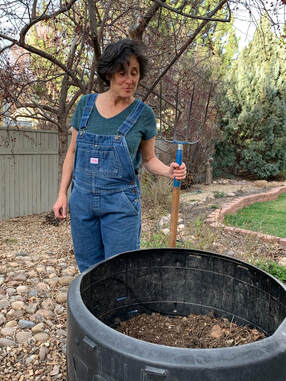
The Joys and Hazards of Composting
The other day, in my back-to-the-garden zeal, I had to remind myself not to stick my head directly in the compost bin. Many of us are back to gardening as soon as the frozen ground softens. Composting helps me feel connected to “the great circle of life.” I love the alchemy of turning kitchen waste into new soil and then new food and flowers. However, hazards can lurk in compost.
Depending on what we put in it and how hot the pile gets, compost contains varying amounts and types of pollens, molds, fungi, bacteria and sometimes snakes and rodents. While turning the pile, clouds of irritating or infectious inhalants can be released into the air and into our airways. This can generate an allergic or infectious reaction. Over the years I have seen a few very serious lung infections from compost and garden soil.
Toxic compost can also be a hazard to pets. Tremorgenic mycotoxins are molds can cause shaking or seizures in a dog who decides to eat some exposed delicious compost.
Of course, most people garden and compost with no problems other than backaches. However, if someone has allergies, or is immunosuppressed from illness or medication, or has respiratory problems like asthma or COPD (chronic obstructive pulmonary disorder), it is very important to wear a mask while handling compost or stirring up garden soil. Store clean masks in zip-lock bags so they are not accumulating dust and pollen before they are even used. Use gloves and wash your clothes and hair after exposure to spores and garden dust.
Pets and Compost Piles
Compost PIle Hazards
Smallscale Composting Guidelines
Throw Away your Pillow?
Tree pollen burst into the air in late February. Those of you with early spring allergies are well aware of that, although symptoms do get better when it snows. Lowering other sources of irritation besides pollen can help with allergy symptoms. One common source of irritants can be bedding. When you think about it, breathing into it, shaking our hair onto it and just being exposed to the air, pillows accumulate debris. Substances like pollen, dust mites, bacteria, and fungi can create a nasty pillow microbiome.
Synthetic pillows are easier to wash but don’t last as long as feather pillows in terms of holding their shape and support. Although pillows are often described as hypoallergenic, there is no standard definition of what makes bedding hypoallergenic. Dust mites and fungi can grow in all pillows. A tightly woven cover can help keep things out. What helps the most is using washable pillows, washing them, and mostly, putting them in the dryer. Putting a pillow or duvet in a hot dryer for at least 10 minutes (even without washing) kills most of the dust mites, fluffs them up and makes them look and smell better. The bottom line is this: consider running your pillows through the dryer once a week. It's also a good idea to throw them away and get new ones after 2 years.
Ten minutes in a clothes dryer
October 2018
Risks of high dose vitamin A:
Excessive consumption of Vitamin A in the retinoid form is associated with cortical bone thinning and increased fracture risk. Cortical bone is the dense outer layer of bone. A recent mouse study confirmed bone loss after only 8 days on increased dose of vitamin A. Bone Loss with Vitamin A in Mice. Carotenoids derived from plants do not lower bone density. Carotenoids are a precursor form that are converted to active vitamin A in the body.
I find short term use of high dose vitamin A very effective in fighting viral infections. We must balance that benefit with the risk of bone loss. Although I would still use high dose vitamin A, limit the use to a week. People with osteopenia or osteoporosis should avoid high dose vitamin A without a compelling reason or use carotenoids instead.
The Tolerable Upper Intake Level (maximum daily amount unlikely to cause harm) per the Food and Nutrition Board (FNB) is 10,000 IU. Of course, that would vary based on a person’s size and liver function and absorption.
Some new research about gout:
Gout is a form of inflammatory arthritis with painful, hot, red swelling in the base of the big toe (and other joints). There is deposition of uric acid crystals in the joints and increased blood levels of uric acid.
Historically, gout is associated with high purine foods like organ meats and aggravated by alcohol. Diet has long been thought to be the main cause, giving the illness some shame and stigma. I have seen more and more gout over the years and although beer, sweets and dehydration seem to be triggers, there was often no obvious dietary cause. A study released this October supported my hunch that genetics are a greater influence than diet. Hence it is important to have a “lifetime prevention approach” rather than just symptomatically treating flares. This does not give people a pass to live on red wine and kidney pie, rather, if you have a family history of gout or elevated uric acid levels, it is important to create a lifestyle plan to minimize flares.
Gout is associated with kidney stones, kidney disease, sleep apnea, heart disease, atrial fibrillation and diabetes, in that these conditions often coexist in the same person. Whatever is inflammatory to an individual could trigger an acute gout episode. Inflammatory triggers would include specific foods, stress, infection, injury and more. Dark cherry juice, proper hydration and avoidance of inflammatory influences, maintaining normal blood sugar, and treating sleep apnea can help a lot and sometimes make medication unnecessary. Treatment is important, as gout can lead to permanent damage. You can read more about this at Everyday Health.
Can intermittent fasting reverse type two diabetes?
Popular in the health news, intermittent fasting has made it to conventional medical journals. The BMJ published a case report of three individuals with type two diabetes. Along with nutritional education they were able to go off insulin by doing supervised intermittent fasting. Unless a person has true hypoglycemia (actual abnormally low glucose levels when they don’t eat) going longer without eating can encourage ketosis and repair of our brain and body tissues. Going twelve or more hours per day without taking in calories is associated with many health benefits including improvement of brain health, blood sugar normalization, heart health and help with cancer in some situations. In a 2016 study women with breast cancer who fasted at least 13 hours per day had significantly less recurrence of their breast cancer. A few years ago, Dr. Michael Mosley introduced the 5/2 diet where people only eat 500 calories for 2 out of 5 days. There are many ways to do it, starting with not snacking between meals. Going without eating for longer trains the body to utilize its stored fuel and rest and heal our tissues.
You can read a nice review of this BMJ article in Medical News Today. Of all the lifestyle tools I have worked with over the last 35 years, intermittent fasting has had some of the most profoundly positive health results. If you are not already on board, (and you don’t have hypoglycemia) I strongly suggest you investigate.
May 2018
Evidence that supplements are useless?
Recent headlines stating that supplements are "of marginal benefit," quotes (or misquotes) from a June article in the Journal of the American College of Cardiology. This review specifically looked at a set of supplements including calcium, Vitamin D and certain B vitamins regarding their risks and benefits in cardiovascular disease. For example, they state that folic acid and niacin might reduce stroke, but niacin might negatively affect blood sugar regulation. They state there is a lack of strong evidence for vitamin D preventing heart disease. They look at increased mortality seen in some studies about antioxidants.
This view of nutrients misses the boat completely, as far as I am concerned. If a health problem is due to a deficiency, then a nutritional supplement will correct it. If a person had health problems due to genetic propensities that affect the ability to use certain nutrients, supplementation will help that person. If people are exposed to specific toxins and stresses that deplete certain nutrients, those nutrients will help them. Cardiovascular disease is too broad a category to think that any one nutrient will be advantageous every time.
Utilizing specific vitamins and minerals found in human diets does not make them drugs aimed at specific disease biochemistries. Their benefits in cardiovascular disease as a whole will be seen where there is individual need for a specific nutrient.
Supplemental Vitamins and Minerals for CVD Prevention and Treatment
Quercetin – allergies and thyroid
The pollen is coating everything outside and the cottonwood fluff is flying. Quercetin is a popular over the counter extract from plant pigments that has risks and benefits. In its concentrated form, quercetin has anti-histaminic activity and is anti-inflammatory to the respiratory tract making it potentially a great support for respiratory allergies and infections. Many people experience allergy relief using quercetin especially when combined with vitamin C and bromelain. Quercetin also appears to help with blood vessel wall health and to lower blood pressure. It is widely and generally safely used.However, quercetin should not be used by people with thyroid problems (especially low thyroid) as it appears to inhibit thyroid function. In fact, some authors suggest a therapeutic role for people who are hyperthyroid.
Grilling and Carcinogens
Continuing with the theme of summer concerns, much has been made of the possible carcinogenic risks of grilled meat. Heterocyclic amines (HCAs) form on the surface of meats cooked at high temperature, specifically when charred. Studies show that using pepper and herbs from the mint family (rosemary, thyme, oregano, basil, sage and marjoram, and the myrtle family, which includes cloves and allspice) virtually eliminate the heterocyclic amines. Setting meats in a vinegar containing marinade for 2 hours prior to cooking also reduces the formation of HCAs.
https://www.sciencedaily.com/releases/2017/05/170516105047.htm
March 2017
There has been a lot of interesting medical news in the last month. Here is some of what spoke to me.
The Joys and Hazards of Composting
The other day, in my back-to-the-garden zeal, I had to remind myself not to stick my head directly in the compost bin. Many of us are back to gardening as soon as the frozen ground softens. Composting helps me feel connected to “the great circle of life.” I love the alchemy of turning kitchen waste into new soil and then new food and flowers. However, hazards can lurk in compost.
Depending on what we put in it and how hot the pile gets, compost contains varying amounts and types of pollens, molds, fungi, bacteria and sometimes snakes and rodents. While turning the pile, clouds of irritating or infectious inhalants can be released into the air and into our airways. This can generate an allergic or infectious reaction. Over the years I have seen a few very serious lung infections from compost and garden soil.
Toxic compost can also be a hazard to pets. Tremorgenic mycotoxins are molds can cause shaking or seizures in a dog who decides to eat some exposed delicious compost.
Of course, most people garden and compost with no problems other than backaches. However, if someone has allergies, or is immunosuppressed from illness or medication, or has respiratory problems like asthma or COPD (chronic obstructive pulmonary disorder), it is very important to wear a mask while handling compost or stirring up garden soil. Store clean masks in zip-lock bags so they are not accumulating dust and pollen before they are even used. Use gloves and wash your clothes and hair after exposure to spores and garden dust.
Pets and Compost Piles
Compost PIle Hazards
Smallscale Composting Guidelines
Throw Away your Pillow?
Tree pollen burst into the air in late February. Those of you with early spring allergies are well aware of that, although symptoms do get better when it snows. Lowering other sources of irritation besides pollen can help with allergy symptoms. One common source of irritants can be bedding. When you think about it, breathing into it, shaking our hair onto it and just being exposed to the air, pillows accumulate debris. Substances like pollen, dust mites, bacteria, and fungi can create a nasty pillow microbiome.
Synthetic pillows are easier to wash but don’t last as long as feather pillows in terms of holding their shape and support. Although pillows are often described as hypoallergenic, there is no standard definition of what makes bedding hypoallergenic. Dust mites and fungi can grow in all pillows. A tightly woven cover can help keep things out. What helps the most is using washable pillows, washing them, and mostly, putting them in the dryer. Putting a pillow or duvet in a hot dryer for at least 10 minutes (even without washing) kills most of the dust mites, fluffs them up and makes them look and smell better. The bottom line is this: consider running your pillows through the dryer once a week. It's also a good idea to throw them away and get new ones after 2 years.
Ten minutes in a clothes dryer
October 2018
Risks of high dose vitamin A:
Excessive consumption of Vitamin A in the retinoid form is associated with cortical bone thinning and increased fracture risk. Cortical bone is the dense outer layer of bone. A recent mouse study confirmed bone loss after only 8 days on increased dose of vitamin A. Bone Loss with Vitamin A in Mice. Carotenoids derived from plants do not lower bone density. Carotenoids are a precursor form that are converted to active vitamin A in the body.
I find short term use of high dose vitamin A very effective in fighting viral infections. We must balance that benefit with the risk of bone loss. Although I would still use high dose vitamin A, limit the use to a week. People with osteopenia or osteoporosis should avoid high dose vitamin A without a compelling reason or use carotenoids instead.
The Tolerable Upper Intake Level (maximum daily amount unlikely to cause harm) per the Food and Nutrition Board (FNB) is 10,000 IU. Of course, that would vary based on a person’s size and liver function and absorption.
Some new research about gout:
Gout is a form of inflammatory arthritis with painful, hot, red swelling in the base of the big toe (and other joints). There is deposition of uric acid crystals in the joints and increased blood levels of uric acid.
Historically, gout is associated with high purine foods like organ meats and aggravated by alcohol. Diet has long been thought to be the main cause, giving the illness some shame and stigma. I have seen more and more gout over the years and although beer, sweets and dehydration seem to be triggers, there was often no obvious dietary cause. A study released this October supported my hunch that genetics are a greater influence than diet. Hence it is important to have a “lifetime prevention approach” rather than just symptomatically treating flares. This does not give people a pass to live on red wine and kidney pie, rather, if you have a family history of gout or elevated uric acid levels, it is important to create a lifestyle plan to minimize flares.
Gout is associated with kidney stones, kidney disease, sleep apnea, heart disease, atrial fibrillation and diabetes, in that these conditions often coexist in the same person. Whatever is inflammatory to an individual could trigger an acute gout episode. Inflammatory triggers would include specific foods, stress, infection, injury and more. Dark cherry juice, proper hydration and avoidance of inflammatory influences, maintaining normal blood sugar, and treating sleep apnea can help a lot and sometimes make medication unnecessary. Treatment is important, as gout can lead to permanent damage. You can read more about this at Everyday Health.
Can intermittent fasting reverse type two diabetes?
Popular in the health news, intermittent fasting has made it to conventional medical journals. The BMJ published a case report of three individuals with type two diabetes. Along with nutritional education they were able to go off insulin by doing supervised intermittent fasting. Unless a person has true hypoglycemia (actual abnormally low glucose levels when they don’t eat) going longer without eating can encourage ketosis and repair of our brain and body tissues. Going twelve or more hours per day without taking in calories is associated with many health benefits including improvement of brain health, blood sugar normalization, heart health and help with cancer in some situations. In a 2016 study women with breast cancer who fasted at least 13 hours per day had significantly less recurrence of their breast cancer. A few years ago, Dr. Michael Mosley introduced the 5/2 diet where people only eat 500 calories for 2 out of 5 days. There are many ways to do it, starting with not snacking between meals. Going without eating for longer trains the body to utilize its stored fuel and rest and heal our tissues.
You can read a nice review of this BMJ article in Medical News Today. Of all the lifestyle tools I have worked with over the last 35 years, intermittent fasting has had some of the most profoundly positive health results. If you are not already on board, (and you don’t have hypoglycemia) I strongly suggest you investigate.
May 2018
Evidence that supplements are useless?
Recent headlines stating that supplements are "of marginal benefit," quotes (or misquotes) from a June article in the Journal of the American College of Cardiology. This review specifically looked at a set of supplements including calcium, Vitamin D and certain B vitamins regarding their risks and benefits in cardiovascular disease. For example, they state that folic acid and niacin might reduce stroke, but niacin might negatively affect blood sugar regulation. They state there is a lack of strong evidence for vitamin D preventing heart disease. They look at increased mortality seen in some studies about antioxidants.
This view of nutrients misses the boat completely, as far as I am concerned. If a health problem is due to a deficiency, then a nutritional supplement will correct it. If a person had health problems due to genetic propensities that affect the ability to use certain nutrients, supplementation will help that person. If people are exposed to specific toxins and stresses that deplete certain nutrients, those nutrients will help them. Cardiovascular disease is too broad a category to think that any one nutrient will be advantageous every time.
Utilizing specific vitamins and minerals found in human diets does not make them drugs aimed at specific disease biochemistries. Their benefits in cardiovascular disease as a whole will be seen where there is individual need for a specific nutrient.
Supplemental Vitamins and Minerals for CVD Prevention and Treatment
Quercetin – allergies and thyroid
The pollen is coating everything outside and the cottonwood fluff is flying. Quercetin is a popular over the counter extract from plant pigments that has risks and benefits. In its concentrated form, quercetin has anti-histaminic activity and is anti-inflammatory to the respiratory tract making it potentially a great support for respiratory allergies and infections. Many people experience allergy relief using quercetin especially when combined with vitamin C and bromelain. Quercetin also appears to help with blood vessel wall health and to lower blood pressure. It is widely and generally safely used.However, quercetin should not be used by people with thyroid problems (especially low thyroid) as it appears to inhibit thyroid function. In fact, some authors suggest a therapeutic role for people who are hyperthyroid.
Grilling and Carcinogens
Continuing with the theme of summer concerns, much has been made of the possible carcinogenic risks of grilled meat. Heterocyclic amines (HCAs) form on the surface of meats cooked at high temperature, specifically when charred. Studies show that using pepper and herbs from the mint family (rosemary, thyme, oregano, basil, sage and marjoram, and the myrtle family, which includes cloves and allspice) virtually eliminate the heterocyclic amines. Setting meats in a vinegar containing marinade for 2 hours prior to cooking also reduces the formation of HCAs.
https://www.sciencedaily.com/releases/2017/05/170516105047.htm
March 2017
There has been a lot of interesting medical news in the last month. Here is some of what spoke to me.
- Once again, a number of males who developed breasts (gynecomastia) showed marked levels of lavender and tea tree oil components in their blood. When they stopped using the oil-containing products, their breasts returned to normal. This is tricky because most males do not respond this way. It seems there is a small percentage of males who are vulnerable to the estrogenic changes. We do not know what those predisposing factors are. The article ends with the statement that there is not enough evidence to say that these aromatic oils cause estrogenic effects on males. It is important to remember that essential oils are medicinally active, which is why we love to use them. Beyond smelling nice, we must remember that these fragrances are biologically potent, and effect all of us differently. http://www.bbc.com/news/health-43429933. www.bbc.com/news/health-43429933
- A strong link is appearing between insulin resistance and cognitive decline.There is a growing belief that dementia and some people with Alzheimer's type symptoms have what is called "Type 3 Diabetes". This is when the frontal lobe of the brain has become insulin resistant. Those people will do better on a low carb ketogenic type diet. This is another reason to manage our blood sugar well before cognitive decline begins. https://www.medpagetoday.com/resource-centers/contemporary-approaches-type2-diabetes/insulin-resistance-and-cognitive-decline-strong-link/1880
- IUD's appear to lower the risk of cervical cancer by about a third. This information is especially of interest for nations and groups who are not using the HPVvaccine.h https://www.theguardian.com/science/2017/nov/07/iuds-may-cut-risk-of-cervical-cancer-by-a-third-study-indicates?CMP=share_btn_fbtps://www.theguardian.com/science/2017/nov/07/iuds-may-cut-risk-of-cervical-cancer-by-a-third-study-indicates?CMP=share_btn_fb
- Excessive calcium supplementation may raise the risk of colon polyps. If you have a family history or personal risk of colon polyps, particularly serrated polyps, try to get your calcium from food, not pills. In general I suggest calcium supplementation when the diet lacks the nutrient and the person has deficiency symptoms such as muscle cramps, joint pain and difficulty healing from connective tissue injury.https://www.consumerreports.org/dietary-supplements/calcium-supplements-may-raise-the-risk-of-colon-polyps/ https://www.consumerreports.org/dietary-supplements/calcium-supplements-may-raise-the-risk-of-colon-polyps/
May 2017
Hearing Loss and Hormone Replacement Therapy
A recent observational study published by the North American Menopause Society noted an association between the use of hormone replacement therapy (HRT) and hearing loss. Women who used HRT during menopause had more hearing loss. The longer a woman used HRT, the higher her risk of hearing loss. An interesting incidental finding was about all women, regardless of HRT use or not. They noticed that the older a woman is at the onset of menopause, the greater her risk for hearing loss.
Previous studies about HRT and hearing loss were contradictory. There was a basic assumption that the anti-aging effects of hormone therapy would somehow inhibit the effects of aging on hearing. In this study, the opposite seems true. It seems that women who had longer exposure to female hormones over their lifetimes, had a greater risk of hearing loss. The take-home here is that when women are considering whether or not to do HRT, bio-identical or otherwise, they should consider their personal risk of hearing loss. If hearing loss runs in her family, if she has a lot of lifetime exposure to loud sounds, or if hearing is already an issue, these are reasons not to do hormone replacement therapy.
Hearing Loss and Hormone Replacement Therapy
A recent observational study published by the North American Menopause Society noted an association between the use of hormone replacement therapy (HRT) and hearing loss. Women who used HRT during menopause had more hearing loss. The longer a woman used HRT, the higher her risk of hearing loss. An interesting incidental finding was about all women, regardless of HRT use or not. They noticed that the older a woman is at the onset of menopause, the greater her risk for hearing loss.
Previous studies about HRT and hearing loss were contradictory. There was a basic assumption that the anti-aging effects of hormone therapy would somehow inhibit the effects of aging on hearing. In this study, the opposite seems true. It seems that women who had longer exposure to female hormones over their lifetimes, had a greater risk of hearing loss. The take-home here is that when women are considering whether or not to do HRT, bio-identical or otherwise, they should consider their personal risk of hearing loss. If hearing loss runs in her family, if she has a lot of lifetime exposure to loud sounds, or if hearing is already an issue, these are reasons not to do hormone replacement therapy.
March 2016
If you like eggs:
A twenty-year Finnish study tracking the dietary habits of middle aged men saw no cardiac risk associated with eating an average of one egg daily. The idea that eating cholesterol containing foods contributes to cardiovascular disease is currently being reassessed in medical circles. Even men with the APOE4 gene, which makes people more sensitive to dietary cholesterol, had no associated problems with 7 eggs per week. Egg yolk is one of the few foods most Americans eat that contains Vitamin D. In addition, eggs contain essential fats, choline, lutein, zeaxanthin, protein, B vitamins and more. A previous Finnish study by the same author noted a decrease of Type 2 diabetes in men who ate eggs. If you don’t have an obvious egg allergy or intolerance, there are lots of good reasons to keep this nutritious food in your diet.
Jyrki Virtanen, Ph.D., adjunct professor, nutritional epidemiology, University of Eastern Finland Institute of Public Health and Clinical Nutrition, Kuopio, Finland; Lona Sandon, R.D.. assistant professor, clinical nutrition, University of Texas Southwestern Medical Center at Dallas; Feb. 10, 2016, American Journal of Clinical Nutrition
Topical estrogen may be safe for breast cancer survivors:
Based on current research, the American College of Obstetricians and Gynecologists (ACOG) recently released new guidelines about the use of topical estrogen for breast cancer survivors. Previously studies were unclear about whether estrogen creams would increase the risk of cancer reoccurrence. Breast cancer treatments can cause vaginal atrophy creating significant discomfort and urinary tract infections that can strongly effect quality of life, even prompting women to stop their cancer treatments. Using topical estrogen creams can effectively correct those changes. This study suggests that the estrogen cream does not increase the risk of subsequent cancers. ACOG suggests that it is reasonable for cancer survivors to consider topical estrogen therapy if they do not respond to non-hormonal therapies.
Decreased bone density in children taking ADHD medication:
Orthopedic surgeon, Jessica Rivera with the US Army Institute of Surgical Research presented results from a study revealing lower bone density in children on ADHD drugs. The medications in question were Ritalin, Focalin, Dexedrine, Strattera and Vyvanse. Usually rare in children with growing bones, 25% of these children met the criteria for osteopenia. Given the large numbers of children on these drugs, it is important to continue to seek non-pharmaceutical interventions whenever possible and to give nutritional support for proper bone growth to all children on these medications.
Holiday Greetings 2015
At numerous recent holiday events, coughs resounded all around me. Whether it is global warming or our usual dynamic Colorado weather, temperature shifts from so cold to weirdly warm are challenging. For most common health issues, the concepts behind staying well are relatively simple; implementation can be complex. So much of my work is about creativity: creative approaches to resisting the unhealthy excess in our culture, creativity around physical activity in ways that strengthen and renew us, creativity in time management, creating social networks that help us celebrate and find our way through sorrow and struggle. In some imagined tribal past, these things were built into society. Now we must recreate them.
As a student in my twenties, I discovered George Vithoulkas’ definition of health, fundamental to current homeopathic theory. He describes health as ‘freedom from limitation’: limitations of physical, emotional and mental function. Freedom from such limitations allows us to live a full life, a life where we can give it a good go, a life in which we can explore who we are and bring forward our unique expression and contribution. This concept has guided my work for more than thirty years.
I wish you and yours health of body, mind and spirit that allows you to go forth deeply into the gift of life. I wish you freedom from limitation, and wisdom to use the treasures of health and energy in meaningful ways. I wish you creativity to live and love in ways that bring you joy and fulfillment in this year and in the years to come.
SEPTEMBER 2015
Metformin: sugar, cancer, nerves and vitamin B12
Originally modeled on an herbal concentrate derived from “Goat’s Rue,” a French lilac called Galega officianalis, Metformin is a bit of a wonder drug. The lore is that goats don’t like it because it lowers their blood sugar too much. Metformin lowers blood sugar, so it is very helpful to people with Type 2 diabetes (the later onset, insulin resistant type) and polycystic ovary syndrome (which is associated with blood sugar imbalances). In addition, Metformin is associated with significantly lower rates of certain types of cancer.
A study presented this month demonstrated that Metformin seems to cause Vitamin B12 deficiency. Peripheral neuropathy (nerve damage causing weakness, numbness and strange sensations in the hands and feet) can be caused by both high blood sugars and by Vitamin B12 deficiency. The blood sugar lowering effect of Metformin lowers the tendency to peripheral neuropathy, possibly mitigating the nerve injuring effect of the lowered B12. The take home is to make sure you have adequate blood levels of vitamin B12 if you are using Metformin.
http://www.medscape.com/viewarticle/85154
Sitting down and our livers
In the recent movie, “The Intern”, an employee with a desk job says “Sitting is the new smoking.” In case you haven’t already rushed out to get a standing desk, a Korean study released this September showed an association with prolonged sitting and non-alcoholic fatty liver disease (NAFLD), which can lead to cirrhosis and eventual liver failure. It is known that NAFLD is aggravated by obesity and diabetes. This study shows that even people with normal body weight and normal BMI have significantly greater levels of NAFLD if they sit for more than 10 hours per day. We have more evidence of how important it is not to sit for too long, we are meant to be active. Keep looking for ways to get up and move, all day, every day.
http://www.medscape.com/viewarticle/851184
Fish in the diet reduces depression
In her book, The Jungle Effect, Daphne Miller explores why different chronic diseases are so rare in certain places around the globe. Depression is uncommon in ?xml:namespace prefix = "st1" ns = "urn:schemas-microsoft-com:office:smarttags" /Iceland. Even without eating many vegetables (imagine that) Icelanders “have disproportionately low rates of seasonal affective disorder, depression, bipolar disorder, and postpartum depression.” These statistics change when Icelanders leave Iceland and eat different diets. The protective part of the traditional Icelandic diet is thought to be the large amount of cold water fish they eat, as well as berries and lamb (which eat the tundra grass). All these foods are rich in fatty acids that contribute to brain health.
In an attempt to clarify erratic study results regarding fish and brain health, a recent meta-analysis was done on the research. These results support the lowered depression rates associated with increased fish consumption.
Organizations like Seafood Watch can help in making fish choices that are sustainable and safer from contamination.
http://www.seafoodwatch.org/seafood-recommendations
http://jech.bmj.com/content/early/2015/08/21/jech-2015-206278
Health in the fall and winter
I say it every year, but at the end of October, we have a strange holiday that incorporates eating bizarre quantities of simple sugars with artificial colors and flavors. Along with the change in weather, more time indoors, and less physical activity, this can be a real setup for challenging immune status, especially in the children who consume so much of this candy. Lately, I like to think of refined sugar as a “party drug”. The bottom line is minimize sugar consumption and don’t eat it without a meal to slow its release; avoid blood sugar spikes. Going into the colder months without this sugar challenge will leave you and your children stronger.
JULY 2015
Just what is “healthy food”?
A European market study across nine countries revealed that married couples weigh slightly more than single people. The couples chose more organic and local foods than the singles, who tended to eat more processed food. The married interviewees exercised less. I don’t know how valid this research is, but it raises an issue that comes up often in my work. People say, “I eat healthy foods.” However, a food in itself is not “healthy.” What foods or styles of eating will create health and longevity in a given individual is quite variable. In the forty years that I have been studying diet and nutrition and health, many fads have come and gone, none appearing to be the ideal diet for all humanity. Rather, we have to look at a person’s nature and resources and situation to create a sustainable style of eating that will create health for the individual, whatever the social constellation.
http://www.sciencedaily.com/releases/2015/06/150629080202.htm
Jutta Mata, Ronald Frank, Ralph Hertwig. Higher body mass index, less exercise, but healthier eating in married adults: Nine representative surveys across Europe. Social Science & Medicine, 2015; 138: 119 DOI: 10.1016/j.socscimed.2015.06.001
B12, bacteria and acne
A very small but provocative study about the molecular mechanisms of how bacteria causes human acne raises questions about the role of vitamin B12. Like the gut, the skin has communities of bacteria that can work for and against us. It has been observed in the past that B12 supplementation can worsen or trigger acne in some individuals. This study looked at a possible mechanism. In a high B12 environment, the bacterium Propionibacterium acnes produced a substance known as porphyrin which can cause inflammation in acne.
Many people take B12 in hopes it will help their mood and their energy. For certain types of anemia, B12 is essential. Stomach acid reducing drugs can impair absorption of dietary B12. Imbalances of bacteria in the gut can reduce our innate production of vitamin B12, and vegan diets can be deficient in B12. So, although there are good reasons to supplement, I often see lab work in which B12 is elevated as a result of supplementation. Many people think this excess is a benign. This small study raises the concern that excessive B12 supplementation may not be benign.
http://stm.sciencemag.org/content/7/293/293ra103
SSRI’s and increased fractures in post-menopausal women
A recent study revealed a marked correlation between the use of SSRI’s (Selective Serotonin Reuptake Inhibitors) by post-menopausal women and increased fracture rates compared to those who did not take the SSRIs. SSRIs are mostly used as anti-depressants, but they have also been found to have some effectiveness for hot flashes and irritable bowel symptoms related to menopause. The women in this study did not complain of emotional or psychological symptoms but were taking the SSRIs for their menopausal symptoms. The increased fracture rate lasted up to 5 years after stopping the medication. The SSRIs included citalopram, hyrdrobromide, escitalopram oxalate, fluoxetine hyrdrochloride, fluvoxamine maleate, paroxetine hydrochloride and sertraline hydrochloride. It is theorized that these drugs change bone metabolism, increasing the dissolution of bone and decreasing the ability to build bone.
The take-home with what we know so far is that if you are taking these antidepressants for non-psychiatric menopausal symptoms, consider a shorter duration and using nutritional support for bone density, such as sufficient vitamin D and K, eating large quantities of vegetables and including foods such as walnuts, prunes and onions which have all been associated with increased bone density. If a woman already has bone density concerns, it seems prudent to avoid these medications as a first line approach to menopausal symptoms
ScienceDaily. ScienceDaily, 26 June 2015. www.sciencedaily.com/releases/2015/06/150626083441.htm
Yi-han Sheu, Amy Lanteigne, Til Stürmer, Virginia Pate, Deborah Azrael, Matthew Miller. SSRI use and risk of fractures among perimenopausal women without mental disorders. Injury Prevention, 2015; injuryprev-2014-041483 DOI: 10.1136/injuryprev-2014-041483
BMJ. "SSRI antidepressants taken for menopausal symptoms may boost bone fracture risk: Risk sustained over several years; shorter treatment length may be preferable." ScienceDaily. ScienceDaily, 26 June 2015.
DECEMBER 2014
Greetings,
Once again, our calendar year draws to a close creating a moment of reflection. In his jaunty way, my father often asks, “What is new in your medicine?!” There is always new research, but it takes awhile to know what will “stick” and what really will work. Here are a few items that really stood out for me.
Harnessing belief
In October, the New York Times magazine published an article entitled, “What if Age is Nothing but a Mind-Set” by Bruce Grierson. He described Debra Langer’s experiments in which eight men in their seventies spent 5 days in a controlled environment where everything was designed to look as though it was 20 years in the past. The experiment was done in 1981 and the environment was 1959. At the end of the 5 days, measurements of dexterity, grip strength, flexibility, hearing and vision, memory and cognition all improved. Wild…not only were they stronger and more supple, they could see better! Another recent study examined a group of 100 people with an average age of 81. They were exposed to a set of subliminal messages with positive stereotypes about aging. These messages resulted in positive physical and psychological changes that lasted 3 weeks beyond the end of the intervention.
Experiments exploring the use of placebo have demonstrated improvement in allergies, asthma, Parkinson’s Disease and much more. My point being: what we think and believe has powerful, powerful effects on our health and wellbeing. The question is how to harness that focus to direct our immunity, our vitality, our strength. While researchers figure out the details, I think it is of utmost importance to…well, think empowering thoughts. Think Healthy, think Strong, think Youthful, think Immune, think Joyful, Spry, Smart…you get my drift. When you notice your mind drifting into the negative, at risk of sounding oh so trite, try to substitute it with a constructive thought. Just saying confident powerful words, words you may not even believe can result in physical changes. Whether it is in the form of positive affirmations, empowering visualizations, images of strong, healthy, happy people doing amazing things…feed yourself a diet of empowering words and images – every day. It works.
Starving or fasting
In my 20’s I did a lot of personal experimentation with fasting. I was very interested in the ideas of detoxification and cellular revitalization. Ultimately, I found that for most people, prolonged fasting for health was just too stressful and that rebound eating often “undid” the cure. Over the last few years I learned about Valter Longo’s use of a brief fast before chemotherapy in cancer treatment. Patients utilizing his methods had fewer effects and enhanced positive results from their treatments. Along the same line of thought I became very interested in Dr. Michael Mosley’s ideas found in his book, “The Fast Diet.” He has people eat between 5 and 600 calories for 2 non-consecutive days per week. Not only do people lose weight, but elevated blood sugar goes down and their cardiovascular profiles improve. Humans evolved with periods of starvation; our ability to withstand occasional lack of calories helped us survive and thrive. I have had numerous people experiment with this approach and some personalized variations of short regular low calorie days with very good responses. Most notably I have seen a reduction of serum hemoglobin A1C levels. The hemoglobin A1C gives a three month average of blood sugars. If you are looking for a way to lose pounds and normalize your sugar and fat metabolism, I suggest you look into this approach.
Even more about BPA
The past few years have brought a lot of news about the harmful effects of bisphenol-A, which is found in thermal paper (receipts), the linings of cans and in plastic food containers. We know that BPA can cause hormone disregulation and possibly auto-immune and cognitive dysfunction. Most recently, a small South Korean study has demonstrated an increase in blood pressure after drinking 2 canned beverages along with the transient rise in serum BPA. If a can doesn’t proudly state that it is BPA-free, it is best to avoid it if at all possible.
The Microbiome
Understanding the microbial universe that lives inside our intestines and other orifices probably is one of the most profound directions for the future of medicine. Fecal transplants (taking healthy feces and putting it in a colon with imbalanced bacteria) has been shown to cure difficult Clostridium difficile infections at up to 90% efficacy. Fecal transplants have helped some people with inflammatory bowel disease. Fecal bacteria from obese mice placed in lean mice caused obesity and, more interestingly, vice versa. Autistic children have very different gut bacterial balances than non-autistic children. Pre-term infants given probiotics had less necrotizing colitis. Ominously, recently a preterm infant given probiotics preventively, died from an infection because of what turned out to be contaminated probiotics. We know that the composition of our gut bacteria determines a lot about our health. But we are just beginning to understand what a good balance might look like. So, in the meantime, eat your fermented foods (made safely to avoid spoilage) and use reputable probiotics.
Moving powerfully into the New Year
The longer we live, the more most of us appreciate the transient nature of life. To stay well, to begin our new year primed for resilience and well-being, it is important to eat well, minimize toxic exposure, balance rest and exercise and such. But even more so, we need to find what moves us, where we can contribute, where we can enjoy and find meaning. We need to laugh, not to sweat the small stuff, to treasure what is working, what is good in our lives.
I wish you and your loved ones a beautiful new year, rich in fulfilled promise, profound well-being and deep satisfaction. I wish you inspiration, tenacity, flexibility and joy.
NOVEMBER 2014
Shitake extract and HPV
A recent study presented at an Oncology Convention this October suggested that AHCC (active hexose correlated compound), an extract from Shitake mushrooms, induced eradication of HPV (human papilloma virus). This was exciting news as this sexually and maternally transmitted virus is associated with cancers of the cervix, anus, genitals, and throat. It made a big splash in the medical news cycle. This preliminary study consisted of 10 women taking 3 grams of AHCC once daily. Five of the women responded, of which three had confirmed eradication after stopping the AHCC. This is a compelling possibility but the small sample size means it is too soon to tell. AHCC , an immunomodulator, has been utilized in treating cancer, lessening side effects of cancer treatments, supporting the liver, and in treating infections and diabetes. I look forward to hearing the results of larger studies.
https://med.uth.edu/obgyn/files/2014/10/SIO-October-2014.pdf
For a nice review article on some of the great uses of medicinal mushrooms see:
https://med.uth.edu/obgyn/files/2014/10/SIO-October-2014.pdf
Cell phones and brain cancer
A recent review pooled the data from two case controlled studies looking at brain tumor rates in relationship to years of use of mobile and cordless phones. Those who had used cordless phones more than 25 years tripled the incidence of glioma and those who began using the devices earlier in life had even higher rates! In the past, other studies have failed to show such a link. Until we definitively resolve this question, don’t hold your cordless and mobile devices to your head. Using speaker phones, head sets, keeping the phone away from direct contact with the head will lower the exposure to radiofrequency electromagnetic fields. This is especially true for children. Children have thinner skulls, their brains are actively developing, and they have more years to live with potential exposure.
http://www.sciencedirect.com/science/article/pii/S0928468014000649
Autoimmunity, women and dental care
Women are significantly more affected by auto immune disease than men. The production of antibodies to one’s own cells is thought to result from the interaction of genetic propensity and triggers such as toxins, inflammation, infection and stress. Female hormones, physiologic functions and exposures may be players in their increased incidence of autoimmune disease. As I continue to learn about sneaky toxic exposures in our environment, I recently read about the transient release of BPA after the placement of dental sealants and composite fillings. Most of us are good at rapidly clearing such chemicals from our systems, but it got me thinking. What about the woman who has gut inflammation, compromised detoxification capacities and gets dental work while she is pre-menstrual and hence in a more inflammatory state? It occurs to me (and mind this, I have no data, just a hunch) that women with a history of autoimmune disease in their family should schedule dental work, whenever possible, at a time away from the week before and during the first few days of their period. It couldn’t hurt and it might reduce their temporary toxic load. Along that line of thought, men and women, all people might consider boosting their detoxification capacity after dental work through simple means such as hydration, extra vitamin C, fiber, sweating, and exercise.
JADA 2012;143(12):1292-1302 Urinary BPA in the 30 hours after composite fillings.
Whitacre CC, Nature Immunol , 2:777-780, 2001
Pineapple juice for coughs?
With the respiratory illness season upon us, we continue to look for ways to get and stay well. Coughs tend to linger and things like honey and narcotics are some of the few options that statistically help. Many folks online seem to reprint from each other an article saying that a syrup made from fresh pineapple juice (pineapple run through the blender) with honey either alone or with varying proportions of cayenne and ginger. Bromelain in fresh pineapple is anti inflammatory and proteolytic. Proteolytic means that it breaks down protein, hence could break up mucus a bit. If you give it a try, please let me know how it works. There is some, but much less bromelain in cooked/canned pineapple than raw, so raw is better, though cooked would help some. Of course, don’t use it if there is any allergy to pineapple.
http://www.ncbi.nlm.nih.gov/pmc/articles/PMC2991605/
I believe the state of gratitude can contribute to our good health.
Wishing you a lovely Thanksgiving,
October Thoughts 2014
Ebola and other scary diseases:
As we approach Halloween, our holiday celebrating scary things and candy, the press has been full of frightening news about disease. The mysterious and lethal Ebola and more local Enterovirus D68 are dominating. Regarding Ebola, our current tools are primarily public health measures of education, following the chain of individual exposure, and supportive care. I recommend an excellent article by Paul Herscu, ND on his blog about epidemics: http://paulherscuepidemics.blogspot.com/2014/09/ebolavirus-2014-outbreak.html
Enterovirus D68 has been acting strangely this year, causing severe illness in children with underlying asthma. It has also been associated with paralytic limb weakness in a few and some deaths. But as for now, the more dangerous diseases we will be dealing with this winter are the usual suspects – common illnesses like influenza and RSV (respiratory syncytial virus).
Severe illness is frightening; we want tools and control, which are scarce in regard to things like Ebola and this enterovirus. Strengthening our ability to fight infection is still dependent on the basics: get enough sleep, enough down time, enough laughter, enough protein, enough aerobic activity, enough meaningful connection. Skip the Halloween candy. If you are fighting an illness, stay home. And of course, wash your hands. Manage your nasal passages. Keep them moist, and rinse after exposure to irritants like dust and wind.
There are many immune boosters one can take. Immune enhancers should be individualized to support a person’s most vulnerable systems (digestion, airways, endocrine, etc.). Good thyroid and adrenal function are necessary to fight infection. If our skin and mucus membranes are compromised, microbes can breach the barriers. Addressing those weak links could really help.
Some of my favorite immune boosting substances include larch bark extract (arabinogalactans), the many powerful mushroom extracts, making sure you are properly nourished, paying particular attention to Vitamin D and zinc. Probiotics designed to increase immune function, herbs like astragalus, ginger, cat’s claw (Uno de Gato), andrographis, elderberry and so many more are easily available and generally safe. Anti-microbials like oregano oil and garlic, used early on, can help minimize infections. Consider using anti-viral herbal formulation when going into crowded situations such as airports, museums and concerts. Now is the time to put your best practices into action.
Naturopathic Medicine Week
This year, with bipartisan support, the United States Senate passed a resolution designating October 2nd-6th as Naturopathic Medicine Week. This resolution urges Americans to learn more about the naturopathic system of health care. To me this indicates a profound cultural change that has happened over the 30 years I have practiced naturopathic medicine. The naturopathic profession has held the torch for non-toxic natural health care, seeing ourselves as part of an ecosystem of factors that affect our individual and collective well being. Holistic and preventive healthcare has gone mainstream. For more information about this acknowledgement of naturopathic medicine, see: http://www.naturopathic.org/didyouknow <http://www.naturopathic.org/didyouknow>
Grapes, Resveratrol and Acne
The Concord grape vine I planted 2 years ago has grown to about 20 times its original size. It has produced more amazingly fragrant deep purple fruit than I know what to do with. Jam, popsicles, juice, and reduction sauces are the results so far. Resveratrol, the powerful anti-inflammatory, anti-microbial, antioxidant found in grapes, red wine and chocolate has been posited with many possible healing attributes including anti-cancer, anti-aging and cardiovascular effects. There have been controversial studies indicating that such claims were premature, and even evidence that in elderly persons, resveratrol may interfere with the good effects of exercise. Continuing the resveratrol discussion, this week a study emerged showing benefit of resveratrol in severe acne. A combination therapy of benzoyl peroxide and resveratrol used directly on Propionibacterium acnes, the bacteria that causes acne, was both more effective and less toxic than the benzoyl peroxide alone. Acne vulgaris can be very challenging to treat without toxic side effects. This could pave the way for safer and more effective acne treatment.
Wishing you a happy and healthy fall,
Jody
If you like eggs:
A twenty-year Finnish study tracking the dietary habits of middle aged men saw no cardiac risk associated with eating an average of one egg daily. The idea that eating cholesterol containing foods contributes to cardiovascular disease is currently being reassessed in medical circles. Even men with the APOE4 gene, which makes people more sensitive to dietary cholesterol, had no associated problems with 7 eggs per week. Egg yolk is one of the few foods most Americans eat that contains Vitamin D. In addition, eggs contain essential fats, choline, lutein, zeaxanthin, protein, B vitamins and more. A previous Finnish study by the same author noted a decrease of Type 2 diabetes in men who ate eggs. If you don’t have an obvious egg allergy or intolerance, there are lots of good reasons to keep this nutritious food in your diet.
Jyrki Virtanen, Ph.D., adjunct professor, nutritional epidemiology, University of Eastern Finland Institute of Public Health and Clinical Nutrition, Kuopio, Finland; Lona Sandon, R.D.. assistant professor, clinical nutrition, University of Texas Southwestern Medical Center at Dallas; Feb. 10, 2016, American Journal of Clinical Nutrition
Topical estrogen may be safe for breast cancer survivors:
Based on current research, the American College of Obstetricians and Gynecologists (ACOG) recently released new guidelines about the use of topical estrogen for breast cancer survivors. Previously studies were unclear about whether estrogen creams would increase the risk of cancer reoccurrence. Breast cancer treatments can cause vaginal atrophy creating significant discomfort and urinary tract infections that can strongly effect quality of life, even prompting women to stop their cancer treatments. Using topical estrogen creams can effectively correct those changes. This study suggests that the estrogen cream does not increase the risk of subsequent cancers. ACOG suggests that it is reasonable for cancer survivors to consider topical estrogen therapy if they do not respond to non-hormonal therapies.
Decreased bone density in children taking ADHD medication:
Orthopedic surgeon, Jessica Rivera with the US Army Institute of Surgical Research presented results from a study revealing lower bone density in children on ADHD drugs. The medications in question were Ritalin, Focalin, Dexedrine, Strattera and Vyvanse. Usually rare in children with growing bones, 25% of these children met the criteria for osteopenia. Given the large numbers of children on these drugs, it is important to continue to seek non-pharmaceutical interventions whenever possible and to give nutritional support for proper bone growth to all children on these medications.
Holiday Greetings 2015
At numerous recent holiday events, coughs resounded all around me. Whether it is global warming or our usual dynamic Colorado weather, temperature shifts from so cold to weirdly warm are challenging. For most common health issues, the concepts behind staying well are relatively simple; implementation can be complex. So much of my work is about creativity: creative approaches to resisting the unhealthy excess in our culture, creativity around physical activity in ways that strengthen and renew us, creativity in time management, creating social networks that help us celebrate and find our way through sorrow and struggle. In some imagined tribal past, these things were built into society. Now we must recreate them.
As a student in my twenties, I discovered George Vithoulkas’ definition of health, fundamental to current homeopathic theory. He describes health as ‘freedom from limitation’: limitations of physical, emotional and mental function. Freedom from such limitations allows us to live a full life, a life where we can give it a good go, a life in which we can explore who we are and bring forward our unique expression and contribution. This concept has guided my work for more than thirty years.
I wish you and yours health of body, mind and spirit that allows you to go forth deeply into the gift of life. I wish you freedom from limitation, and wisdom to use the treasures of health and energy in meaningful ways. I wish you creativity to live and love in ways that bring you joy and fulfillment in this year and in the years to come.
SEPTEMBER 2015
Metformin: sugar, cancer, nerves and vitamin B12
Originally modeled on an herbal concentrate derived from “Goat’s Rue,” a French lilac called Galega officianalis, Metformin is a bit of a wonder drug. The lore is that goats don’t like it because it lowers their blood sugar too much. Metformin lowers blood sugar, so it is very helpful to people with Type 2 diabetes (the later onset, insulin resistant type) and polycystic ovary syndrome (which is associated with blood sugar imbalances). In addition, Metformin is associated with significantly lower rates of certain types of cancer.
A study presented this month demonstrated that Metformin seems to cause Vitamin B12 deficiency. Peripheral neuropathy (nerve damage causing weakness, numbness and strange sensations in the hands and feet) can be caused by both high blood sugars and by Vitamin B12 deficiency. The blood sugar lowering effect of Metformin lowers the tendency to peripheral neuropathy, possibly mitigating the nerve injuring effect of the lowered B12. The take home is to make sure you have adequate blood levels of vitamin B12 if you are using Metformin.
http://www.medscape.com/viewarticle/85154
Sitting down and our livers
In the recent movie, “The Intern”, an employee with a desk job says “Sitting is the new smoking.” In case you haven’t already rushed out to get a standing desk, a Korean study released this September showed an association with prolonged sitting and non-alcoholic fatty liver disease (NAFLD), which can lead to cirrhosis and eventual liver failure. It is known that NAFLD is aggravated by obesity and diabetes. This study shows that even people with normal body weight and normal BMI have significantly greater levels of NAFLD if they sit for more than 10 hours per day. We have more evidence of how important it is not to sit for too long, we are meant to be active. Keep looking for ways to get up and move, all day, every day.
http://www.medscape.com/viewarticle/851184
Fish in the diet reduces depression
In her book, The Jungle Effect, Daphne Miller explores why different chronic diseases are so rare in certain places around the globe. Depression is uncommon in ?xml:namespace prefix = "st1" ns = "urn:schemas-microsoft-com:office:smarttags" /Iceland. Even without eating many vegetables (imagine that) Icelanders “have disproportionately low rates of seasonal affective disorder, depression, bipolar disorder, and postpartum depression.” These statistics change when Icelanders leave Iceland and eat different diets. The protective part of the traditional Icelandic diet is thought to be the large amount of cold water fish they eat, as well as berries and lamb (which eat the tundra grass). All these foods are rich in fatty acids that contribute to brain health.
In an attempt to clarify erratic study results regarding fish and brain health, a recent meta-analysis was done on the research. These results support the lowered depression rates associated with increased fish consumption.
Organizations like Seafood Watch can help in making fish choices that are sustainable and safer from contamination.
http://www.seafoodwatch.org/seafood-recommendations
http://jech.bmj.com/content/early/2015/08/21/jech-2015-206278
Health in the fall and winter
I say it every year, but at the end of October, we have a strange holiday that incorporates eating bizarre quantities of simple sugars with artificial colors and flavors. Along with the change in weather, more time indoors, and less physical activity, this can be a real setup for challenging immune status, especially in the children who consume so much of this candy. Lately, I like to think of refined sugar as a “party drug”. The bottom line is minimize sugar consumption and don’t eat it without a meal to slow its release; avoid blood sugar spikes. Going into the colder months without this sugar challenge will leave you and your children stronger.
JULY 2015
Just what is “healthy food”?
A European market study across nine countries revealed that married couples weigh slightly more than single people. The couples chose more organic and local foods than the singles, who tended to eat more processed food. The married interviewees exercised less. I don’t know how valid this research is, but it raises an issue that comes up often in my work. People say, “I eat healthy foods.” However, a food in itself is not “healthy.” What foods or styles of eating will create health and longevity in a given individual is quite variable. In the forty years that I have been studying diet and nutrition and health, many fads have come and gone, none appearing to be the ideal diet for all humanity. Rather, we have to look at a person’s nature and resources and situation to create a sustainable style of eating that will create health for the individual, whatever the social constellation.
http://www.sciencedaily.com/releases/2015/06/150629080202.htm
Jutta Mata, Ronald Frank, Ralph Hertwig. Higher body mass index, less exercise, but healthier eating in married adults: Nine representative surveys across Europe. Social Science & Medicine, 2015; 138: 119 DOI: 10.1016/j.socscimed.2015.06.001
B12, bacteria and acne
A very small but provocative study about the molecular mechanisms of how bacteria causes human acne raises questions about the role of vitamin B12. Like the gut, the skin has communities of bacteria that can work for and against us. It has been observed in the past that B12 supplementation can worsen or trigger acne in some individuals. This study looked at a possible mechanism. In a high B12 environment, the bacterium Propionibacterium acnes produced a substance known as porphyrin which can cause inflammation in acne.
Many people take B12 in hopes it will help their mood and their energy. For certain types of anemia, B12 is essential. Stomach acid reducing drugs can impair absorption of dietary B12. Imbalances of bacteria in the gut can reduce our innate production of vitamin B12, and vegan diets can be deficient in B12. So, although there are good reasons to supplement, I often see lab work in which B12 is elevated as a result of supplementation. Many people think this excess is a benign. This small study raises the concern that excessive B12 supplementation may not be benign.
http://stm.sciencemag.org/content/7/293/293ra103
SSRI’s and increased fractures in post-menopausal women
A recent study revealed a marked correlation between the use of SSRI’s (Selective Serotonin Reuptake Inhibitors) by post-menopausal women and increased fracture rates compared to those who did not take the SSRIs. SSRIs are mostly used as anti-depressants, but they have also been found to have some effectiveness for hot flashes and irritable bowel symptoms related to menopause. The women in this study did not complain of emotional or psychological symptoms but were taking the SSRIs for their menopausal symptoms. The increased fracture rate lasted up to 5 years after stopping the medication. The SSRIs included citalopram, hyrdrobromide, escitalopram oxalate, fluoxetine hyrdrochloride, fluvoxamine maleate, paroxetine hydrochloride and sertraline hydrochloride. It is theorized that these drugs change bone metabolism, increasing the dissolution of bone and decreasing the ability to build bone.
The take-home with what we know so far is that if you are taking these antidepressants for non-psychiatric menopausal symptoms, consider a shorter duration and using nutritional support for bone density, such as sufficient vitamin D and K, eating large quantities of vegetables and including foods such as walnuts, prunes and onions which have all been associated with increased bone density. If a woman already has bone density concerns, it seems prudent to avoid these medications as a first line approach to menopausal symptoms
ScienceDaily. ScienceDaily, 26 June 2015. www.sciencedaily.com/releases/2015/06/150626083441.htm
Yi-han Sheu, Amy Lanteigne, Til Stürmer, Virginia Pate, Deborah Azrael, Matthew Miller. SSRI use and risk of fractures among perimenopausal women without mental disorders. Injury Prevention, 2015; injuryprev-2014-041483 DOI: 10.1136/injuryprev-2014-041483
BMJ. "SSRI antidepressants taken for menopausal symptoms may boost bone fracture risk: Risk sustained over several years; shorter treatment length may be preferable." ScienceDaily. ScienceDaily, 26 June 2015.
DECEMBER 2014
Greetings,
Once again, our calendar year draws to a close creating a moment of reflection. In his jaunty way, my father often asks, “What is new in your medicine?!” There is always new research, but it takes awhile to know what will “stick” and what really will work. Here are a few items that really stood out for me.
Harnessing belief
In October, the New York Times magazine published an article entitled, “What if Age is Nothing but a Mind-Set” by Bruce Grierson. He described Debra Langer’s experiments in which eight men in their seventies spent 5 days in a controlled environment where everything was designed to look as though it was 20 years in the past. The experiment was done in 1981 and the environment was 1959. At the end of the 5 days, measurements of dexterity, grip strength, flexibility, hearing and vision, memory and cognition all improved. Wild…not only were they stronger and more supple, they could see better! Another recent study examined a group of 100 people with an average age of 81. They were exposed to a set of subliminal messages with positive stereotypes about aging. These messages resulted in positive physical and psychological changes that lasted 3 weeks beyond the end of the intervention.
Experiments exploring the use of placebo have demonstrated improvement in allergies, asthma, Parkinson’s Disease and much more. My point being: what we think and believe has powerful, powerful effects on our health and wellbeing. The question is how to harness that focus to direct our immunity, our vitality, our strength. While researchers figure out the details, I think it is of utmost importance to…well, think empowering thoughts. Think Healthy, think Strong, think Youthful, think Immune, think Joyful, Spry, Smart…you get my drift. When you notice your mind drifting into the negative, at risk of sounding oh so trite, try to substitute it with a constructive thought. Just saying confident powerful words, words you may not even believe can result in physical changes. Whether it is in the form of positive affirmations, empowering visualizations, images of strong, healthy, happy people doing amazing things…feed yourself a diet of empowering words and images – every day. It works.
Starving or fasting
In my 20’s I did a lot of personal experimentation with fasting. I was very interested in the ideas of detoxification and cellular revitalization. Ultimately, I found that for most people, prolonged fasting for health was just too stressful and that rebound eating often “undid” the cure. Over the last few years I learned about Valter Longo’s use of a brief fast before chemotherapy in cancer treatment. Patients utilizing his methods had fewer effects and enhanced positive results from their treatments. Along the same line of thought I became very interested in Dr. Michael Mosley’s ideas found in his book, “The Fast Diet.” He has people eat between 5 and 600 calories for 2 non-consecutive days per week. Not only do people lose weight, but elevated blood sugar goes down and their cardiovascular profiles improve. Humans evolved with periods of starvation; our ability to withstand occasional lack of calories helped us survive and thrive. I have had numerous people experiment with this approach and some personalized variations of short regular low calorie days with very good responses. Most notably I have seen a reduction of serum hemoglobin A1C levels. The hemoglobin A1C gives a three month average of blood sugars. If you are looking for a way to lose pounds and normalize your sugar and fat metabolism, I suggest you look into this approach.
Even more about BPA
The past few years have brought a lot of news about the harmful effects of bisphenol-A, which is found in thermal paper (receipts), the linings of cans and in plastic food containers. We know that BPA can cause hormone disregulation and possibly auto-immune and cognitive dysfunction. Most recently, a small South Korean study has demonstrated an increase in blood pressure after drinking 2 canned beverages along with the transient rise in serum BPA. If a can doesn’t proudly state that it is BPA-free, it is best to avoid it if at all possible.
The Microbiome
Understanding the microbial universe that lives inside our intestines and other orifices probably is one of the most profound directions for the future of medicine. Fecal transplants (taking healthy feces and putting it in a colon with imbalanced bacteria) has been shown to cure difficult Clostridium difficile infections at up to 90% efficacy. Fecal transplants have helped some people with inflammatory bowel disease. Fecal bacteria from obese mice placed in lean mice caused obesity and, more interestingly, vice versa. Autistic children have very different gut bacterial balances than non-autistic children. Pre-term infants given probiotics had less necrotizing colitis. Ominously, recently a preterm infant given probiotics preventively, died from an infection because of what turned out to be contaminated probiotics. We know that the composition of our gut bacteria determines a lot about our health. But we are just beginning to understand what a good balance might look like. So, in the meantime, eat your fermented foods (made safely to avoid spoilage) and use reputable probiotics.
Moving powerfully into the New Year
The longer we live, the more most of us appreciate the transient nature of life. To stay well, to begin our new year primed for resilience and well-being, it is important to eat well, minimize toxic exposure, balance rest and exercise and such. But even more so, we need to find what moves us, where we can contribute, where we can enjoy and find meaning. We need to laugh, not to sweat the small stuff, to treasure what is working, what is good in our lives.
I wish you and your loved ones a beautiful new year, rich in fulfilled promise, profound well-being and deep satisfaction. I wish you inspiration, tenacity, flexibility and joy.
NOVEMBER 2014
Shitake extract and HPV
A recent study presented at an Oncology Convention this October suggested that AHCC (active hexose correlated compound), an extract from Shitake mushrooms, induced eradication of HPV (human papilloma virus). This was exciting news as this sexually and maternally transmitted virus is associated with cancers of the cervix, anus, genitals, and throat. It made a big splash in the medical news cycle. This preliminary study consisted of 10 women taking 3 grams of AHCC once daily. Five of the women responded, of which three had confirmed eradication after stopping the AHCC. This is a compelling possibility but the small sample size means it is too soon to tell. AHCC , an immunomodulator, has been utilized in treating cancer, lessening side effects of cancer treatments, supporting the liver, and in treating infections and diabetes. I look forward to hearing the results of larger studies.
https://med.uth.edu/obgyn/files/2014/10/SIO-October-2014.pdf
For a nice review article on some of the great uses of medicinal mushrooms see:
https://med.uth.edu/obgyn/files/2014/10/SIO-October-2014.pdf
Cell phones and brain cancer
A recent review pooled the data from two case controlled studies looking at brain tumor rates in relationship to years of use of mobile and cordless phones. Those who had used cordless phones more than 25 years tripled the incidence of glioma and those who began using the devices earlier in life had even higher rates! In the past, other studies have failed to show such a link. Until we definitively resolve this question, don’t hold your cordless and mobile devices to your head. Using speaker phones, head sets, keeping the phone away from direct contact with the head will lower the exposure to radiofrequency electromagnetic fields. This is especially true for children. Children have thinner skulls, their brains are actively developing, and they have more years to live with potential exposure.
http://www.sciencedirect.com/science/article/pii/S0928468014000649
Autoimmunity, women and dental care
Women are significantly more affected by auto immune disease than men. The production of antibodies to one’s own cells is thought to result from the interaction of genetic propensity and triggers such as toxins, inflammation, infection and stress. Female hormones, physiologic functions and exposures may be players in their increased incidence of autoimmune disease. As I continue to learn about sneaky toxic exposures in our environment, I recently read about the transient release of BPA after the placement of dental sealants and composite fillings. Most of us are good at rapidly clearing such chemicals from our systems, but it got me thinking. What about the woman who has gut inflammation, compromised detoxification capacities and gets dental work while she is pre-menstrual and hence in a more inflammatory state? It occurs to me (and mind this, I have no data, just a hunch) that women with a history of autoimmune disease in their family should schedule dental work, whenever possible, at a time away from the week before and during the first few days of their period. It couldn’t hurt and it might reduce their temporary toxic load. Along that line of thought, men and women, all people might consider boosting their detoxification capacity after dental work through simple means such as hydration, extra vitamin C, fiber, sweating, and exercise.
JADA 2012;143(12):1292-1302 Urinary BPA in the 30 hours after composite fillings.
Whitacre CC, Nature Immunol , 2:777-780, 2001
Pineapple juice for coughs?
With the respiratory illness season upon us, we continue to look for ways to get and stay well. Coughs tend to linger and things like honey and narcotics are some of the few options that statistically help. Many folks online seem to reprint from each other an article saying that a syrup made from fresh pineapple juice (pineapple run through the blender) with honey either alone or with varying proportions of cayenne and ginger. Bromelain in fresh pineapple is anti inflammatory and proteolytic. Proteolytic means that it breaks down protein, hence could break up mucus a bit. If you give it a try, please let me know how it works. There is some, but much less bromelain in cooked/canned pineapple than raw, so raw is better, though cooked would help some. Of course, don’t use it if there is any allergy to pineapple.
http://www.ncbi.nlm.nih.gov/pmc/articles/PMC2991605/
I believe the state of gratitude can contribute to our good health.
Wishing you a lovely Thanksgiving,
October Thoughts 2014
Ebola and other scary diseases:
As we approach Halloween, our holiday celebrating scary things and candy, the press has been full of frightening news about disease. The mysterious and lethal Ebola and more local Enterovirus D68 are dominating. Regarding Ebola, our current tools are primarily public health measures of education, following the chain of individual exposure, and supportive care. I recommend an excellent article by Paul Herscu, ND on his blog about epidemics: http://paulherscuepidemics.blogspot.com/2014/09/ebolavirus-2014-outbreak.html
Enterovirus D68 has been acting strangely this year, causing severe illness in children with underlying asthma. It has also been associated with paralytic limb weakness in a few and some deaths. But as for now, the more dangerous diseases we will be dealing with this winter are the usual suspects – common illnesses like influenza and RSV (respiratory syncytial virus).
Severe illness is frightening; we want tools and control, which are scarce in regard to things like Ebola and this enterovirus. Strengthening our ability to fight infection is still dependent on the basics: get enough sleep, enough down time, enough laughter, enough protein, enough aerobic activity, enough meaningful connection. Skip the Halloween candy. If you are fighting an illness, stay home. And of course, wash your hands. Manage your nasal passages. Keep them moist, and rinse after exposure to irritants like dust and wind.
There are many immune boosters one can take. Immune enhancers should be individualized to support a person’s most vulnerable systems (digestion, airways, endocrine, etc.). Good thyroid and adrenal function are necessary to fight infection. If our skin and mucus membranes are compromised, microbes can breach the barriers. Addressing those weak links could really help.
Some of my favorite immune boosting substances include larch bark extract (arabinogalactans), the many powerful mushroom extracts, making sure you are properly nourished, paying particular attention to Vitamin D and zinc. Probiotics designed to increase immune function, herbs like astragalus, ginger, cat’s claw (Uno de Gato), andrographis, elderberry and so many more are easily available and generally safe. Anti-microbials like oregano oil and garlic, used early on, can help minimize infections. Consider using anti-viral herbal formulation when going into crowded situations such as airports, museums and concerts. Now is the time to put your best practices into action.
Naturopathic Medicine Week
This year, with bipartisan support, the United States Senate passed a resolution designating October 2nd-6th as Naturopathic Medicine Week. This resolution urges Americans to learn more about the naturopathic system of health care. To me this indicates a profound cultural change that has happened over the 30 years I have practiced naturopathic medicine. The naturopathic profession has held the torch for non-toxic natural health care, seeing ourselves as part of an ecosystem of factors that affect our individual and collective well being. Holistic and preventive healthcare has gone mainstream. For more information about this acknowledgement of naturopathic medicine, see: http://www.naturopathic.org/didyouknow <http://www.naturopathic.org/didyouknow>
Grapes, Resveratrol and Acne
The Concord grape vine I planted 2 years ago has grown to about 20 times its original size. It has produced more amazingly fragrant deep purple fruit than I know what to do with. Jam, popsicles, juice, and reduction sauces are the results so far. Resveratrol, the powerful anti-inflammatory, anti-microbial, antioxidant found in grapes, red wine and chocolate has been posited with many possible healing attributes including anti-cancer, anti-aging and cardiovascular effects. There have been controversial studies indicating that such claims were premature, and even evidence that in elderly persons, resveratrol may interfere with the good effects of exercise. Continuing the resveratrol discussion, this week a study emerged showing benefit of resveratrol in severe acne. A combination therapy of benzoyl peroxide and resveratrol used directly on Propionibacterium acnes, the bacteria that causes acne, was both more effective and less toxic than the benzoyl peroxide alone. Acne vulgaris can be very challenging to treat without toxic side effects. This could pave the way for safer and more effective acne treatment.
Wishing you a happy and healthy fall,
Jody

September 2014
Bees, Yellow jackets and Wasps in Late Summer
At the end of every summer, I get many calls about stings. Bees and wasps are more active and more aggressive as the summer comes to a close. Colonies have swollen in number and they are preparing their queen for the upcoming winter. Some practices to prevent stings include: wear shoes in the grass, use screens on doors and windows, seal garbage containers, clean the grease traps in your grills and don’t swat at them.
Honey bees have a barbed stinger that continues to release venom for 45 to 60 seconds. Removing the stinger within 15 seconds can reduce the severity of the sting. Multiple stings are more dangerous. 8.6 stings per pound of body weight can be lethal. People with renal or cardiac insufficiency are at greater risk if they sustain many stings, say from a swarm for example. Of course if you are allergic, there is risk of anaphylaxis which demands a trip to the emergency room and an epi-pen or 911. Call 911 if the person is having trouble breathing, faintness, hives (beyond the redness of the sting), a swollen tongue or a history of severe reactions. Allergic reactions beyond the local response to the venom are dangerous.
For most stings, they are more uncomfortable than dangerous. Clean the area with soap and water and apply cold immediately to control swelling and stop the spread of the venom. Local reactions to stings typically take 2 to 5 days to heal. In my experience, the second day is often the worst. Moist clay packs, baking soda, meat tenderizer (papain), apple cider vinegar, tooth paste, Benadryl and Caladryl are some example of topical remedies. My personal favorites are cold packs and clay. Make a paste of clean bentonite clay mixed with water or vinegar, with cold packs over it is great. Clay has adsorptive qualities, potentially drawing out some of the venom.
Homeopathically, Apis 30C is our go-to remedy. Take a few pellets every 15 to 60 minutes as needed for red, hot, puffy itchy swellings that feel better with cold applications. If there is no response to Apis, Vespa 30C will usually do the trick. If throbbing is the main sensation in the sting area and it is bright red, use Belladonna 30C.
I also strongly recommend staying well hydrated, using Vitamin C and Quercetin for their anti-histaminic properties.
July 2014
Nutrients and Protein Pump Inhibitors
Certain deficiencies are common in people taking proton pump inhibitors. These medications, like Prilosec (Omeprazole) and Nexium (Esomeprazole) reduce stomach acid to help with reflux and ulcers and other excess acid conditions. Stomach acid plays an important role in digesting proteins, killing pathogens in our foods, and the absorption of nutrients such as magnesium and B12. Long term use of protein pump inhibitors are associated with lowered blood levels of magnesium. Symptoms of magnesium deficiency include muscle spasms, irregular heart rhythms, agitation, restless leg syndrome, nausea, confusion and more. If you are taking a proton pump inhibitor, make sure your diet is replete in high magnesium foods such as nuts, greens, seeds and beans. Proton pump inhibitors can also contribute to vitamin B12 deficiency. B12 deficiency symptoms include anemia with weakness, fatigue and pallor, easy bruising, loss of appetite, personality changes, numbness and headaches. Consider testing serum B12 levels if you suspect deficiency and make sure to get plenty of B12 in your diet. B12 is primarily found in animal food sources. Vegetarians who don’t consume dairy must take a B12 supplement.
Watch out for too much!
On the other end of the spectrum, there was a news item today about children getting excessive amounts of single nutrients by eating so many foods that are “fortified” like cereals and bars in addition to supplementation. All the extra vitamins and minerals can really add up. Symptoms of excess vitamin A include brittle nails, peeling skin, hair loss, and in extreme cases, liver failure. Excess zinc can cause anemia and immune suppression (as can deficiency). Enough is good, more is not always better.
February 2014
Sitting
We knew that increased physical activity reduces certain cancer incidences and improves survival rates. Now we also know that “sitting less” improves survival rates of breast and colorectal cancer and lowers the incidence of colon polyps. So GET UP! Particularly if you have a sitting job, don’t sit too long at a time. Stand up periodically, move around. It matters.
Drumming
Drumming and particularly group drumming improves natural killer cell and other immune functions. So go “bang on that drum!”
Calcium Channel Blockers
Calcium channel blockers are a common class of drugs used to treat high blood pressure, migraines, Raynaud’s Disease and other problems. Some examples are Diltiazem and Verapamil. Significantly increased rates of breast cancer were seen in women using calcium channel blockers for more than 10 years, especially if combined with hormone replacement therapy. If you are someone with a family history of breast cancer and are also taking a calcium channel blocker, you should talk with your physician about using a different class of medication.
September 15, 2013
Goodness and Floods in Colorado
I spent Sunday with a dear older friend of mine who lives alone and whose home had taken on water in the floods. In the previous few days a veritable army of people had come by her home to build trenches, sand bag and clean up the muddy mess.
As we sat and talked the rains began yet again. We saw water filling up the yard and creeping across the patio toward the house. The rain came harder. And then seemingly out of nowhere, an angel in rain clothes and big boots showed up in the muck with a shovel. “Okay, this is what we are going to do,” he said. He dug a hole, sunk a large flower pot in the muck, instructed me to get a hose and a pump from his van and within minutes the rising water was diverted from the house into the trench dug by the previous day’s angels. He told me about how he and his wife were coordinating help efforts all over the neighborhood, “doing what we can.” Then he was gone.
Over the next few hours, a stream of people showed up, bringing food, checking in, asking for hugs. Out in the street, a couple carrying large white bags shouted up to us, “do you need help sandbagging? We heard some people up here needed help!”
This is the humanity I know. Decent people, good people, people with strengths, people with flaws, but people who care, who want to help, who show up. Negative news, the vile actions of the few, the sorrows and freakish information we hear regularly in our media, bumps up against the fundamental goodness that I experience in many, really most people I have ever met. And it moves my heart and makes me want to do better and to share it with you.
On a practical level after all these years, I continue to be impressed by the action of homeopathic medicines. Some of the problems we might be seeing in this crisis include physical injuries, sprains and strains, exhaustion, grief and anxiety, mold responses and gut infections from the nasty contents of the water around us. Of course the best homeopathic prescriptions are individualized but here are a few of many possibilities:
I wish all my fellow Coloradoans strength and solace in this difficult time as we pull together to fix and rebuild and recover.
August 2013 - Late Summer Health Notes - Getting Children Back to School with a Strong Start
Between the haze from recent fires, very high levels of late summer pollens, increased ozone, West Nile virus and children and college students returning to confining classrooms, this is an important time to take steps for good health. It is important to minimize respiratory tract irritation and stay strong as we go into fall. Over the years I have seen acute illness come in waves. The first starts now, as children head back to school and their bed times are still late from summer fun. For the first week of school, they are often tired until they adjust their bedtimes. The first wave of illness often comes the second week of school as weed allergies, lack of sleep and the stress of back-to-school collide. The next big wave comes before Halloween when parents and children alike begin to consume sugary chemical-filled candies. Among a long list of ill effects, blood sugar spikes are followed by an immediate drop in resistance to pathogens. This happens within hours of eating excess sweets. People recover just in time to travel and over eat for Thanksgiving. Then comes more of the sugary excesses during the winter holidays. So – getting in gear to stay well matters.
To stay well I believe the basics are necessary. First, it is important to get enough sleep and enough down time. Children and adults both need time to integrate their experiences, to breathe in, to have fun without pressure. Also, I think it is important to eat in ways that avoid extreme blood sugar highs and lows. Steady blood sugar supports good immune and cognitive function. I generally suggest eating some protein with each meal. And, as trite as it may sound, we are meant to move. Find some physical activity to do every day, even if it is brief. Physical activity is essential for our mental health, in addition to being necessary to maintain our bodies. However, when the ozone and particulates in the air are elevated, it is best to exercise indoors or earlier in the day when the ozone is lower. You can keep an eye on our real time air quality at the following website:
http://www.colorado.gov/airquality/colorado_summary.aspx Also, one nice pollen count website can be found at http://www.pollen.com/allergy-forecast.asp
June 2013
Glucosamine and Glaucoma
Glucosamine is a popular supplement used by upwards of 27 million people in the United States for osteoarthritis, especially in the knee. A research letter on May 13, 2013 in JAMA Ophthalmology discussed a small retrospective study looking at intraocular pressure and glucosamine supplementation. This study found a definite relationship between taking the supplement and increased pressure in the eye. This is preliminary data, the study was very small (17 patients) and was not controlled for variables such as dose, duration and other factors. The investigators postulate that the glycosaminoglycans (GAG’s) in glucosamine that are so nice for enriching cartilage may lead to increased pressure in the eye if they accumulate there. Although this is not a powerful study, it is disturbing enough for me to say that if you have a family history of glaucoma, I would avoid taking glucosamine until we can be more sure of its safety regarding the health of our eyes.
http://archopht.jamanetwork.com/article.aspx?articleid=1690919
Melatonin and Migraines
A hormone produced by the pituitary, peaking daily in concentration between 10 and 11p.m., melatonin regulates sleep wake cycles. Light inhibits melatonin, “it only comes out in the dark.” This is why street lights, blinking LED’s, night lights of all sorts can interfere with sleep. A recent study compared 3 mg of fast acting melatonin with amitriptyline and with a placebo. Melatonin did the best in reducing migraine frequency and intensity with amitriptyline close behind. Although there was some improvement, the placebo group did not do as well as the other two groups. Plus the amitriptyline and placebo participants gained weight, while the melatonin group lost weight. We know that loss of sleep is associated with increased headaches and weight gain, so that is one possible mechanism. More research is needed here.
Melatonin is used by many as an adjunct in cancer treatments. It is radioprotective, reduces hair loss, lessens anemia and loss of platelets and contributes to lower over all mortality in cancer. In fact, it is postulated that blind people have lower cancer rates because their melatonin levels remain high during the day as well as the night.
We are just beginning to understand the implications of melatonin in the body. Due to possible complications, avoid melatonin if you have autoimmune disease, are pregnant or if you are taking hypnotics, sedatives, anti-coagulants, anti-convulsants, anti-diabetic agents and anti-hypertensive drugs. If you deal with migraines and you do not fall into these groups, consider a trial of melatonin.
American Academy of Neurology (AAN) 65th Annual Meeting. Abstract S40.005. Presented March 20. Drs. Peres and Kurth.
Berberine and Bacteria
Berberine is one of my favorite plant extracts. It is a yellow alkaloid found in plants such as Goldenseal, Coptis and Barberry. I have used Berberine extensively to deal with intestinal infections and inflammation. It appears to enhance the growth of favorable bacteria in the gut over pathogens. This improved balance of gut bacteria may explain how berberine lowers blood sugar, blood pressure and cholesterol, and reduces fat in the liver. Berberine also appears helpful in the treatment of breast, prostate and colon cancer as well as protecting normal cells in radiotherapy. Consider Berberine when you see disordered intestines especially in combination with metabolic syndrome tendencies.
May 2012
Toothpaste and Asthma?
Recently, while visiting with some of my naturopathic medical school classmates, my friend told us an interesting story. She had a patient who suffered with asthma for 35 years. The asthma had come on suddenly and was worsening despite all treatments, both medical and naturopathic. She asked herself what had changed 35 years ago. In her frustration she searched her memory for what behaviors she might have begun 35 years ago. The answer was her brand of toothpaste, and she had continued to use that same brand for 35 years. She changed her toothpaste and her asthma quickly disappeared.
I have seen a change in toothpaste improve rashes around the mouth. The sodium lauryl sulfate can aggravate canker sores and mouth ulcers. The chemicals and flavorings can aggravate gastric reflux and heart burn, particularly at night. I have seen animals develop diarrhea from pet toothpaste. This was the first time I have ever heard of the chemicals in toothpaste contributing to asthma. But an internet search yielded an interesting array of toothpaste asthmatic experiences.
In 1990, the New England Journal of Medicine described a 21year old woman who would wheeze and cough at night, after brushing her teeth. It turned out that the artificial mint flavoring in her opaque tartar toothpaste was triggering the reactions. On switching to a gel, the wheezing resolved.
Much asthma is triggered by allergic stimuli such as chemicals in our environment, in our foods and in the substances we put in and on our bodies. Even the dyes used in the colorings of common drugs such as ibuprofen and acetaminophen can trigger asthma in some people. Sulphites in wines and salad bars (on lettuce to keep it green) can trigger asthma. Modern toothpastes have come a long way from the formulas suggested in ancient Egyptian writings. They really do help clean, strengthen, shine, protect, whiten and desensitize our teeth. But there are many chemicals involved, some of which may trigger pathological reactions.
Here’s the strangest thing that came up in my search. There are numerous anecdotal reports of people whose asthma improved when they switched to toothpaste for sensitive teeth containing potassium nitrate. Potassium nitrate, also known as saltpeter, is an ingredient of gunpowder. It liberates potassium ions which depolarize nerve endings in the pores of exposed dentin, and prevents nerve transmission of pain in the teeth. English medical journals from the early 1900’s list potassium nitrate as a treatment for asthma. I am not using toothpaste as my main treatment for asthma right now, just pointing out that the ingredients in toothpaste are potent and can have significant effects beyond the teeth.
Commercial toothpastes contain a wide variety of chemicals which can contribute to some health concerns. This is particularly true for sensitive individuals, as well as for children, because they tend to eat more toothpaste than adults. Of course, there is the ongoing controversy surrounding fluoride in toothpaste and in drinking water, which is too big a topic to include in this email. But certainly, be aware that if you suffer skin, oral, digestive and/or allergic problems, it’s probably best to use simple, non-toxic toothpastes or powders.
February 2012
Chickens and urinary tract infections?
Many people are already aware that the bacteria implicated in up to 85% of urinary tract infections is E.coli from our own GI tract. Last week a Canadian study stated that the type of E. coli implicated in most urinary tract infections is in fact a match with the E. coli found in chickens. This suggests that chickens are the reservoir for the particular strain of bacteria responsible for many human urinary tract infections. That is somewhat startling. How does the chicken bacteria get into a person’s bladder or urethra? Well, it starts in the kitchen. Back to the basics for handling raw poultry! The bacteria gets on the counter, the cutting board, the sink, the cabinet handles, utensils...you get my drift. Then, unless hands are washed vigorously with soap, the bacteria gets into our bodies. So it seems possible that proper hand and surface cleansing, plus sufficiently cooking poultry could reduce the incidence of those disease-causing bacteria in our guts. The study is scheduled to be published in the March issue of the Journal Emerging Infectious Diseases.
Sleep in the dark.
A study published in Chronobiology International by researchers at the University of Haifa showed a strong correlation of increased breast cancer rates in women exposed to high intensity light in their sleeping environment. It is suggested that the light interferes with melatonin production which then interferes with estrogen levels. The practice of “Lunaception” was promoted in the 1974 book by the same name. It involves sleeping in complete darkness except around the full moon in order to stimulate normal ovulation patterns and regulate the menstrual cycle and enhance fertility. There is animal research which demonstrates increased weight gain and problems with glucose tolerance where dim light is present during sleep. A 2003 study in nurses working night shifts suggested a possible increase in colorectal cancers due to light exposure at night. (JNCI J Natl Cancer Inst (2003) 95 (11): 825-828.doi: 10.1093/jnci/95.11.825) Although much of this research shows associations and not necessarily causes, it is logical to me that the best sleeping environments are dark. Turn all the blinking clocks away from you at night. Turn off computers and lights throughout your bedroom. Use black out curtains and shades and train children to sleep in darkness as soon as they are ready. Suppression of melatonin is probably related to more problems than we know.
Speaking of sleep, use of sleeping pills associated with increased mortality?
Yesterday a study was released demonstrating that people using pharmaceutical sleep aids have significantly higher mortality rates than those who do not use sleep medications. The study does not say that sleeping pills cause the increase in cancer and other deaths, only that people who use them have increased death rates. It raises questions about the impact of sleep deprivation itself, the effect of the causes of sleep deprivation and the drugs themselves. For me the question raised is not just, “what ‘natural’ thing can I take to help me sleep?” Of course, there may be less toxic medicinal approaches, but the more challenging issue is to seek the source of an individual’s insomnia. We must look deeply into how we can change our habits, how we can manage our angst. We must look deeply into our approach to rest so that we can set down the day and rejuvenate at night. (Kripke DF, et al "Hypnotics' association with mortality or cancer: A matched cohort study" BMJ Open 2012; 2: e000850)
May you sleep deeply in the dark of night, be careful with raw meats in the kitchen and be well through the last blasts of winter.
January 2012
Death by Neti pot?
This December in Louisiana 2 people died from an amoebic infection of their brains after using tap water in their neti pots. Naegleria foleri is known to cause infections after diving or submerging the head in warm fresh water lakes or rivers. The bacteria is not problematic when swallowed as it is destroyed by the digestive tract.
In this case, strong water pressure allowed the organism to get through a thin part of the skull called the cribriform plate behind the nose. This is how the amoeba can access the meninges and the brain. Yikes!
Neti pots can be a great way to manage allergies and sinus infections. To keep the practice safe always use boiled or distilled water and be gentle. A good recipe for neti pot solutions is 8 ounces of water with 1/8 teaspoon of salt and 1/16 teaspoon baking soda. In the presence of infection a drop or two of Tea tree oil, oregano oil or grapefruit seed extract can be added.
Talc and Cancer
Talc is a naturally occurring mineral containing magnesium, silica and sometimes other minerals. Long used as a pleasant body and diaper powder, inhaled talc has been thought to possibly irritate the lungs. It has been linked to aspiration pneumonia, granulomas and lung cancers. More controversial has been talc’s possible link to ovarian cancer.
In April of 2011, Daniel Cramer, MD presented his findings from a large case-control study of women with ovarian cancer. The long term use of talc based powders in the genital area appear to increase the risk of invasive ovarian cancer by 30%. The effect was especially noted in pre-menopausal women.
This immediately raises the question in my mind about risk to infants, with the possibility of talc particles traveling into their reproductive tracts. There is no reason to ever use talc powders on our bodies. Corn starch, arrow root and clay powders can make lovely alternatives. Apply any powder carefully so as to avoid inhaling particulates.
Problems with Painkillers
Tylenol (acetaminophen/paracetamol), aspirin and ibuprofen have all made the medical news this year. In the 1980’s aspirin was linked with Reye’s Syndrome, a potentially fatal disease sometimes seen in children who used aspirin for viral illnesses like colds and chicken pox. After the scare with aspirin, acetaminophen use increased and in the same time period world wide rates of asthma rose dramatically. Dr. John McBride released a paper in Pediatrics stating that the evidence for a link between asthma and acetaminophen is strong enough that it should be avoided in infants and children with asthma. Still a theory, it is probably best to find alternatives in people with a personal or family history of asthma and allergies.
OK, so if not acetaminophen, how about ibuprofen and other NSAIDS (non-steroidal anti-inflammatory drugs)? January of 2011 brought a meta-analysis in the British Medical Journal outlining strong associations between NSAIDS and cardiovascular disease related deaths. Naproxen had the least risk compared to others like ibuprofen and diclophenic.
If that wasn’t bad enough, in April, the Canadian Medical Association Journal published an article suggesting that using NSAIDS in the first 20 weeks of pregnancy doubled the risk of miscarriage.
Once again aspirin has been gaining in popularity amongst adults for its use in thinning the blood. There is also evidence that it may decrease the risk of colon cancer and breast cancer recurrence. Recently, a study published in Ophthamology showed that daily aspirin usage in older patients seemed to double the risk of wet type age related macular degeneration, which can cause vision loss.
So what to do? No one likes to be in pain and each of our pharmaceutical analgesics comes with advantages and disadvantages. Each person must weigh their particular risk factors and genetic tendencies in choosing substances for pain relief. Basically, minimize their use. Often we can use homeopathy and hydrotherapy, hot and cold packs, proteolytic enzymes, herbal therapies and much more to help with fevers, pain and inflammation. This should be done on an individual basis.
Enjoy the rest of winter as our hours of sunlight grow longer each day.
October 2011
Death By Supplements?
A number of you wanted to know what I thought about the medical news headline this week that went something like, “Vitamin Supplements Associated With Increased Risk for Death.” Now in all fairness to medical news media, the following headlines also appeared recently:
· “Folic Acid Use Early in Pregnancy Might Protect Against Language Delay in Offspring”
· “Vitamin E Associated with Increased Prostate Cancer Risk”
· “Vitamin D needed to fight off TB”
· “Calcium supplementation offers a protective benefit against pre-eclampsia and hypertension in pregnant women, but does not offer any other maternal or fetal advantages”
· “Insufficient Vitamin B12 may be linked to memory problems in older people”
And this is just a sampling from only a few days’ worth of such headlines.
In the Iowa Women’s Health Study mentioned in the “Death” headline, post-menopausal women using multivitamins, B6, folic acid, iron, magnesium, zinc and copper had increased mortality rates compared with women not taking supplements. This is a study showing associations, not explaining causes. We don’t know what underlying reasons motivated these women to take the supplements. Something we do know is that most nutrients taken as supplements have a “U” shaped dose related curve regarding benefit. Simply put, too little is insufficient and too much can be dangerous. A person suffering from anemia won’t show benefit from taking too tiny an amount of iron, and too much iron supplementation can do harm.
My belief about nutritional supplementation is that well-nourished people don’t need to take a lot of extra pills to be healthy. There are also reasons to supplement: if there is deficiency, underlying disease, toxic exposure or special genetic predispositions, for example. I do not think everyone should take a multivitamin, but I do think they can be helpful to people eating diets lacking in micro-nutrients. They can help replace what is missing to assure normal function.
In the last decades, the distinction between vitamins, nutraceuticals and pharmaceutical products has grown increasingly fuzzy. Sometimes the only difference is that one is purchased over-the-counter and the other requires a prescription. There are real risks associated with some over-the-counter vitamins, minerals, hormones, glandular extracts, and herbal preparations. They can do harm. The bottom line is that if you don’t understand the risks and benefits of the products you or your family members use, make sure you get some expertise and appropriate lab work when indicated. The death-by-supplement headline is sensationalist but it does raise a valid point that just because it is over the counter does not mean it is benign.
September 2011 Seasonal Thoughts
The fall has begun with a burst of quintessential Colorado autumnal beauty and for many of us, a bumper crop of tomatoes. For several years now I have noticed a cluster of symptoms in some people caused by eating extreme quantities of tomatoes. They can be so delicious, warm and sweet from the vine, so easy to just keep eating them. In these people, whether it is from acidity or allergy, hives, mouth sores and rashes (including diaper rashes) appear in the tomato eating season. So be aware and go easy on the tomatoes if you are prone to such symptoms
Next on my mind is the sage (Salvia officianalis) in my garden. This beautiful aromatic plant has turned into a small bush in my yard. Sage tea, bitter in taste is commonly known to help dry up milk in women who are weaning, fight infections (bacterial, viral, fungal) and to inhibit perspiration. Sage is considered weakly estrogenic and can help cool down women suffering with hot flashes at least in part due to its inhibition of sweating. Sage tea can be antispasmodic and soothe the digestion. Traditionally thought to improve memory and cognitive function, there has been some research demonstrating improvement in mild to moderately affected Alzheimer’s patients using sage extracts. Due to its drying and hormonal effects, this herb should be avoided in pregnancy other than in the small amounts used in cooking. Also because it can lower blood sugar, people with diabetes must be careful if using sage in medicinal doses.
Recently I was directed to a website called geodistance.com. Using a google map program, you can easily determine exactly how far you have walked, run, cycled, etc.. It can be a fun motivational tool to ‘go the extra mile’. Check it out.
Xylitol is a naturally occurring example of a sugar alcohol. In addition to having a third less calories than sucrose, xylitol causes a smaller rise in serum glucose than other sugars. Unlike the usual cavity causing sugars, xylitol actually reduces plaque and inhibits cavities. (You have to chew about 12 pieces of xylitol gum to achieve this effect). It also appears to inhibit ear infections and yeast in the mouth. In some people, any of the sugar alcohols (e.g.sorbitol) can cause gas and diarrhea. If you are not one of those people and if you chew gum, consider xylitol gum and xylitol nasal rinses. For children who can chew gum without swallowing it, this is a neat solution on airplanes if they have ear trouble.
Last on my list of slightly random thoughts today is one of my favorite topics...cold bathing. Much has been written on the topic. As we are already experiencing a rise in acute illnesses what with the children back in school and changes in the weather, this is a cheap easy tool to increase immune function. Delightful hot bathing brings blood to the surface of our bodies as we attempt to cool down. Finishing hot bathing with a cold rinse sends the blood surging back to the core, flushing through our organs and causing a rise in those precious defenders, the white blood cells and other immune chemicals. Thirty seconds to two minutes of cool to cold rinse, (depending on your tolerance), front and back, will actually leave you warmer as well as invigorated. One must dry quickly and dress and the bathroom must be warm during the process. This is not about getting chilled. Finishing with a cold rinse not only builds your courage, but improves circulation and generally leaves people warmer over time, which is a nice thing in winter. There are some reports of lower rates off flu in folks who instituted cold rinses for the winter. So, warm up the bathroom, be brave and give it try!
(1) J Clin Pharm Ther. 2003 Feb;28(1):53-9.
Salvia officinalis extract in the treatment of patients with mild to moderate Alzheimer's disease: a double blind, randomized and placebo-controlled trial.
Akhondzadeh S, Noroozian M, Mohammadi M, Ohadinia S, Jamshidi AH, Khani M.
Source Roozbeh Psychiatric Hospital, Tehran University of Medical Sciences and Institute of Medicinal Plants, Iranian Academic Centre for Education, Culture and Research, Tehran, Iran. s.sakhond@neda.net
April 2011 Calcium Controversies
For the second time in recent months, studies have emerged suggesting that calcium supplementation (with and without Vitamin D) causes increased rates of heart attacks and strokes.[1] A more recent study this week re-evaluated the meta-analyses, and in the words of the accompanying editorial, “insufficient evidence is available to support or refute the association.” What to make of it?
Calcium supplementation is associated with modest improvement in bone density. The question is whether or not the potential cardiac risk is worth the gains of bone density. An important thing to notice is that these studies did not look at calcium supplementation in combination with the other minerals and vitamins that we believe are necessary to deliver it to bone. These studies did not look at the effects of calcium taken with magnesium. If you supplement calcium make sure you also take magnesium. For some people, magnesium has too strong a laxative effect. In that case magnesium glycinate can be gentler on the bowels or transdermal magnesium creams are available. We can increase the magnesium in the diet as well. Vitamin K, Boron, and Vitamin A are also important cofactors necessary for the proper utilization of calcium in bone.
Clearly, taking calcium in amounts greater than 500 mg without magnesium is not a good idea. Sudden changes in mineral intake can also be stressful for the body. I have seen sudden dramatic changes in diet and mineral status (even for the better) trigger gout and kidney stones. In most cases, we do better with gradual changes to our biochemistry. So don’t just stop taking calcium if you are currently taking it. If you decide to stop taking calcium, I suggest you taper down. It is important to note that dietary sources of calcium do not contribute to cardiovascular incidents. Also, in pregnancy, calcium supplementation is consistently associated with better outcomes.
A different point of view on promoting bone density is available on the Weston Price Foundation website.[2] The Weston Price Foundation studies the diets of non-industrialized people whose communities are characterized by health and longevity. They believe that optimal nutrition for bone health is a “nutrient dense diet which includes animal fats.” Their article by Sally Fallon and Mary Enig suggests that healthy bones and calcium metabolism depend on a host of nutritional, environmental and lifestyle factors. In direct contradiction, there are studies showing that diets low in meat and dairy, but high in vegetables and vegetable based proteins have stronger bones.[3]
Vegetarian or meat eater, there is more to strong bones than consuming chunks of the metal calcium. Bone integrity is contingent on a varied and mineral rich diet as well as weight bearing exercise and of course, genetics. I advocate at least 3 cups of vegetables and at least ¼ cup of nuts daily. Sea vegetables are rich in minerals, but more smaller portions may be prudent. The extra iodine can be problematic for people with thyroid issues or acne. Dairy products work better for some individuals than others. Utilizing bones in your cooking enriches the diet with calcium. Vegetarian or carnivore, eating a nutrient dense diet is critical and can be tailored to your specific needs.
[1] http://www.bmj.com/content/342/bmj.d2040. http://www.bmj.com/content/341/bmj.c3691.f
[2] http://www.westonaprice.org/modern-diseases/29-modern-diseases/271-dem-bones) Dem Bones: Do High Protein Diets Cause Bone Loss?
[3] http://www.news.cornell.edu/releases/Nov96/osteoporosis.ssl.html
March 2011 - Radiation, a time to take action?
Thursday, the Colorado Department of Public Health and Environment reported a trace of unusual radioactive iodine here in Colorado that is likely from the Fukushima Daiichi reactor site in Japan. This miniscule amount is not a health hazard. At this point taking potassium iodide would be more hazardous than helpful. Consuming excess iodine can over-stimulate or even shut down thyroid function. If there is ever an event that raises radiation levels to the point where taking potassium iodide would be protective, we will know and provide clear directives. For now, do not use additional iodine.
There are real radiation risks in Colorado that have nothing to do with the catastrophe that faces the Japanese. Colorado has naturally higher background radiation levels, due to our altitude and the presence of uranium in the soil. Despite this fact, Colorado’s cancer rates are amongst the lowest in the nation. There are even people who believe that it is because of this low level background radiation exposure that Colorado enjoys low rates of cancer.[1] (The controversial concept of ‘radiation hormesis’ postulates that exposure to low level radiation might actually enhance health and longevity). Still, there is no question that high levels of radiation exposure are associated with higher tumor rates.
In fact, the greatest non-medical radiation exposure that we have here in Colorado is radon. Radon is an invisible, odorless, radioactive gas resulting from the decay of uranium in our soil. Radon is associated with increased rates of lung cancer, even more so in smokers. [2] This phenomenon was studied in uranium miners who developed small cell undifferentiated lung cancer at statistically higher rates than the general population.[3] As long ago as the 1500’s miners in Schneeberg, Germany were afflicted with high rates of lung cancer later shown to be associated with radon. The United States Environmental Protection Agency states that radon is the second leading cause of lung cancer deaths after smoking, possibly causing 21,000 lung cancer deaths per year. [4]
Radon moves upwards from the soil through cracks and holes in building foundations and gets trapped within the homes above. After the damage to the nuclear reactors in Japan, many of you called my office wanting to know about protecting yourselves from radioactive fallout. For the moment, there is no imminent fallout threat in Colorado. However, radon is a real and present radioactive health concern. This is a form of background radiation that we can do something about. If you have not already done it, test your home for radon. Tests can be purchased at hardware stores or you can have a professional do it. If radon levels are high in your home, there are effective methods for sealing all the cracks and fissures and venting the radon out of the building. If you are a smoker, then it is even more important to test. Children may be particularly sensitive to the effects of radon on their lungs.
Time will tell if we need to take any special precautions with the radioactive plume from Fukushima. The people of Japan are facing a devastating nightmare with no easy answers. We must not forget their plight. Right now for us, radon is a real and present radioactive health concern. Fortunately, it can be easily identified and minimized.
[1]http://statecancerprofiles.cancer.gov/map/map.withimage.php?00&001&001&00&0&1&0&1&6&0#map
[2] Dec 21, 2004 ... BMJ 2005; 330 : 223 doi: 10.1136/bmj.38308.477650.63 (Published 21 December 2004 ) ... S Darby, professor of medical statistics ..... DH, and RD with input from all other authors. SD, DH, and RD are guarantors. ... Darby S,; Hill D,; Deo H,; Auvinen A,; Barros-Dios JM,; Baysson H,; et al ...
www.bmj.com/content/330/7485/223.full
[3] Lung cancer among Navajo uranium miners. L S Gottlieb and L A Husen. Chest 1982;81;449-452. DOI 10.1378/chest.81.4.449
[4] http://www.epa.gov/radon/pubs/citguide.html
February 2011
February brings special health challenges. While our snow has been melting the winds have been blowing hard. Dirt released from the snow and ice, road salts and other particulates fly through the air. This dry dusty air can irritate our respiratory passages. At the same time influenza is hitting hard in our community. People with irritated nasal passages are, of course, more vulnerable to respiratory infections. For those who tend to spring allergies, it is important to start off strong at the beginning of the allergy season. We want to heal infections completely and eliminate underlying inflammatory states as much as possible before the earliest tree pollens begin to fly.
Flu often has several seasonal peaks. The first was in October and the second is now. For those of you who are wondering, this year’s flu vaccine is a match for the currently circulating flu viruses and appears to be providing good protection. Of course, we have homeopathic, nutritional and herbal tools that we have discussed extensively in previous communications. The basics are always critical: getting enough sleep, staying hydrated in our dry air, maintaining healthy nasal passages and eating well all help your immune system to fight off pathogens.
It seems unfair, but during this part of flu season, allergy season is also just around the corner, and taking measures to lower other irritants can minimize reactions to pollens. Pollen allergies are an overreaction of the immune system. Lowering underlying levels of inflammation in the body can decrease the reactivity to pollen. ‘Spring cleaning’ takes on a deeper meaning here. We can’t stop all the stuff from blowing around outside, but we can limit indoor irritants. Dust mites living in house dust can aggravate allergies and asthma. So this is a good time to clean curtains, rugs, pillows, bedding and stuffed animals as well as making sure your furnace filters, air purifier filters and heat vents are clean.
In my experience, irritants are cumulative. Make sure your indoor environment is clean and maintain the humidity between 30 and 55%. Some of the worst cases of persistent illness and allergies that I have seen were additionally fueled by mold overgrowth in carpets, walls and stuffed animals. It can happen even in dry Colorado. If you are using a humidifier, make sure it is clean and not actually spraying mold into your home.
The kitchen can be another source of “irritant.” Over the past few weeks, a severe gastrointestinal infection has been wreaking havoc in our area. Many bacteria reside in our kitchens on cutting boards, sponges, dish towels and sinks. Most of these come from produce and meats and it is important to sanitize these surfaces. For example, make sure to wash surfaces and cutting boards with plenty of soap and hot water and launder dish towels frequently. Putting a cellulose sponge in a microwave for two minutes kills most pathogens. In case you are worried, I tried this at home. It worked great and the sponge did not burst into flames.
If you know that certain foods inflame your system, like sugar or wheat or milk, avoiding your specific irritants during allergy season can help diminish your reactivity to pollens. Traditionally this is a time to use herbs and foods that detoxify and strengthen digestion. Eating bitter herbs like dandelion greens, arugula, mustard greens and such as they emerge early from the garden are thought to strengthen liver and digestive function. This is a great time to embark on an ‘anti-inflammatory diet” for a week or two emphasizing, fruits and vegetables, vegetable juices, lean proteins and whole grains, if you eat grains. If you want to do a cleanse while it is still cold out, consider kicharee (a wonderful mix of mung beans and brown rice with Indian spices) and vegetables for a few days. Of course, you should consult with your health practitioner to decide the safest and most effective cleanse for you. A sensible restorative diet in early spring is a great way to balance your immune system before the pollen starts to fly.
January 2011
Medical News from 2010
2010 is past and a new year begins. Some of you might know that I am an avid reader of medical studies and medical news. MedPage Today is often how I start my day. I would like to share a few of the stories which made a strong impression on me over the past year. These studies have immediate applications. Click on the blue links if you want to read more about them.
Should we introduce foods earlier to nursing infants?
I was taught that in order to minimize food allergies in children, it is best to delay introduction of potentially allergenic foods to nursing infants. As well, I was taught that known familial allergens should be avoided by pregnant mothers in the last trimester. The Finnish study cited below turns that idea on its head! This particular study happened to be done with children predisposed to diabetes. The findings showed that introducing allergenic foods later than 5 or 6 months was associated with higher rates of food and inhalant allergies by the age of 5. Children given solid foods prior to 6 months old in fact had fewer allergies. This study flies in the face of a perhaps intuitive concept that the digestive system is too immature to deal with solid foodstuffs before 6 months. I look forward to more quality research on the topic. http://www.medpagetoday.com/AllergyImmunology/Allergy/17382
Fructose can cause Irritable bowel type symptoms.
We all know that gluten can cause all manner of digestive havoc for some people. Less known is the fact that fructose intolerance or malabsorption is the cause of abdominal pain, gas, bloating, constipation, or diarrhea in some sensitive individuals. Fructose is the form of sugar found in fruits and some vegetables and in much higher concentrations in sweetened sodas, teas and juices. This study found that in affected children, elimination of dietary fructose solves the problem. I believe that it would probably solve the problem for similarly affected adults as well. Consider an experimental trial of eliminating fructose if you suffer from these symptoms.
http://www.medpagetoday.com/MeetingCoverage/ACG/22821
Thyroid medicine can be more effective for some people if taken at bedtime.
We think of thyroid medications as something that perks you up. It seems intuitively obvious to take it in the morning like people use their morning caffeine. But in fact according to a 1997 and a 2010 study, taking synthetic T4 medications before bed had higher thyroid hormone and lower TSH blood levels. These findings may not apply to natural thyroid or T3 preparations. Talk to your prescriber about this if you are having trouble with your levothyroxine management.
http://archinte.amaassn.org/cgi/content/abstract/170/22/1996
House hold pets can influence the incidence of eczema in children.
This study indicated that children under the age of one who lived with dogs had lower rates of eczema while those living with cats before age one had greater rates of eczema. In fact living with a dog made the children less sensitive to both dogs and cats. If you are planning to have children and eczema runs in your family, it might be better to have a dog than a cat.
http://www.medpagetoday.com/Dermatology/GeneralDermatology/22488
Walking may help stave off dementia.
In this preliminary study, individuals without signs of dementia who walked six miles or more a week preserved greater brain volume and displayed a 50% decreased risk of Alzheimer's disease over 13 years of follow-up. Wow, I am already a great fan of a good walk, but I love knowing that it’s keeping my brain from shrinking!
http://www.medpagetoday.com/MeetingCoverage/RSNA/23651
Laughter really does make you healthier!
Jacob Schor, ND regaled us with jokes and information at our annual Naturopathic Conference this year. He presented a series of studies demonstrating that daily doses of comedic videos improved allergic eczema and asthma, lowered physiological stress reactions, improved immune responses such as natural killer cells, improved erectile function in men and lowered blood sugar levels in Type 2 diabetics. So make sure you include your daily dose of comedy to stay well.
http://www.denvernaturopathic.com/humorandallergies.htm
For those of you with gluten sensitivities who like to travel, the following link provides a website and mobile phone app identifying gluten free restaurants, bakeries and vacation sites. This one doesn’t want to make a link. Just paste it into your browser.
http://www.glutenfreeregistry.com/
Dryer Sheets?
One last observation that is on my mind right now is about dryer sheets. Recently I saw a number of unrelated cases of hives in children for whom the trigger appeared to dryer sheets. Fabric softeners and dryer sheets contain numerous irritating chemicals capable of causing allergic reactions. I strongly recommend avoiding these laundry products. If static cling is making your clothing uncomfortable, you might try a product like, “Static Eliminator” reusable dryer sheets available online.
I hope you have enjoyed some of these facts and ideas. Fundamentally the basics for staying well are timeless. We thrive on regular activity and regular rest. A diet, moderate in calories and high in vegetables and lean protein is the cornerstone for most people. Avoid toxins where you can, balancing that with living a life not governed by fear. And of course, a sense of purpose and connection and apparently a lot of laughs can make all the difference.
I wish you all a wonderful new year replete with well being, fulfillment, discovery and joy.
October 2010
Facing the Fire
It is painful, even though it is “natural,” to see our beautiful foothills in flames. For all of us living in and along the Front Range here, we see the clouds of smoke moving in different directions with the winds. I am writing to you this morning as a reminder: even if the darker parts of the clouds are not right over your area, the particulates are everywhere in the air right now.
Of course people with cardiovascular disease, asthma, or vulnerability to sinus or bronchial infections should be especially cautious. There are a number of things to be done to mitigate the effects of the smoke on us. But before I list those things, I want to emphasize that it’s not just those of us who suffer from asthma or other infections who need to take some proactive measures. Obviously our friends and neighbors who fled the fire and the firefighters and their support teams have had enormous stress and smoke exposure. But everyone else in the Front Range needs to take care.
So today I am asking you please to take action. Use your air purifiers and air conditioners and (clean) humidifiers. Don’t exercise outside until this has passed. Minimize exposure to the smoke. I think it would be best to use your glasses and skip wearing contact lenses till the air has cleared. Breathing steam and using nasal saline can help move the particulates off of the airways.
Nutritionally, the basics help. By basics, I mean include generous amounts of deeply colored fruits and vegetables for the anti-oxidant properties. All the deeply colored berries are terrific as are fruits such as cherries and pomegranates. Supplements such as N-Acetyl-Cysteine (NAC) can help fortify the linings of the respiratory tract and keep mucus thin. Check with your health care provider to determine what is safe and best for you.
Hydration...always hydration is so important. Besides keeping airway surfaces moist, liquids help the body with detoxification. Wildfires contain toxic gasses as well as particulates. One might consider using gentle detoxifying strategies like milk thistle or fiber if this is an issue for you. If you know that certain strategies really support you, like sleep, resveratrol, laughter yoga, or probiotics, make sure you use them now.
For people with cardiovascular disease, asthma, or vulnerability to sinus and bronchial infections, anti-inflammatory preparations like Zyflammend, herbal teas for coughs, simple supplementation including essential fatty acids, Vitamin C and Zinc and carotenoids can be helpful now.
Please remember to be mindful, take good care of yourself and your family so that these days of smoke in the air don’t leave any more lasting effects beyond the present.
Our thoughts turn toward our brave fire fighters, the women and men who walk right up to that fire to make sure our families and pets survive. To those of you who have lost homes, are dealing with evacuation and are directly involved in the fire, our hearts go out to you. Please call me if I can help in any way.
Bees, Yellow jackets and Wasps in Late Summer
At the end of every summer, I get many calls about stings. Bees and wasps are more active and more aggressive as the summer comes to a close. Colonies have swollen in number and they are preparing their queen for the upcoming winter. Some practices to prevent stings include: wear shoes in the grass, use screens on doors and windows, seal garbage containers, clean the grease traps in your grills and don’t swat at them.
Honey bees have a barbed stinger that continues to release venom for 45 to 60 seconds. Removing the stinger within 15 seconds can reduce the severity of the sting. Multiple stings are more dangerous. 8.6 stings per pound of body weight can be lethal. People with renal or cardiac insufficiency are at greater risk if they sustain many stings, say from a swarm for example. Of course if you are allergic, there is risk of anaphylaxis which demands a trip to the emergency room and an epi-pen or 911. Call 911 if the person is having trouble breathing, faintness, hives (beyond the redness of the sting), a swollen tongue or a history of severe reactions. Allergic reactions beyond the local response to the venom are dangerous.
For most stings, they are more uncomfortable than dangerous. Clean the area with soap and water and apply cold immediately to control swelling and stop the spread of the venom. Local reactions to stings typically take 2 to 5 days to heal. In my experience, the second day is often the worst. Moist clay packs, baking soda, meat tenderizer (papain), apple cider vinegar, tooth paste, Benadryl and Caladryl are some example of topical remedies. My personal favorites are cold packs and clay. Make a paste of clean bentonite clay mixed with water or vinegar, with cold packs over it is great. Clay has adsorptive qualities, potentially drawing out some of the venom.
Homeopathically, Apis 30C is our go-to remedy. Take a few pellets every 15 to 60 minutes as needed for red, hot, puffy itchy swellings that feel better with cold applications. If there is no response to Apis, Vespa 30C will usually do the trick. If throbbing is the main sensation in the sting area and it is bright red, use Belladonna 30C.
I also strongly recommend staying well hydrated, using Vitamin C and Quercetin for their anti-histaminic properties.
July 2014
Nutrients and Protein Pump Inhibitors
Certain deficiencies are common in people taking proton pump inhibitors. These medications, like Prilosec (Omeprazole) and Nexium (Esomeprazole) reduce stomach acid to help with reflux and ulcers and other excess acid conditions. Stomach acid plays an important role in digesting proteins, killing pathogens in our foods, and the absorption of nutrients such as magnesium and B12. Long term use of protein pump inhibitors are associated with lowered blood levels of magnesium. Symptoms of magnesium deficiency include muscle spasms, irregular heart rhythms, agitation, restless leg syndrome, nausea, confusion and more. If you are taking a proton pump inhibitor, make sure your diet is replete in high magnesium foods such as nuts, greens, seeds and beans. Proton pump inhibitors can also contribute to vitamin B12 deficiency. B12 deficiency symptoms include anemia with weakness, fatigue and pallor, easy bruising, loss of appetite, personality changes, numbness and headaches. Consider testing serum B12 levels if you suspect deficiency and make sure to get plenty of B12 in your diet. B12 is primarily found in animal food sources. Vegetarians who don’t consume dairy must take a B12 supplement.
Watch out for too much!
On the other end of the spectrum, there was a news item today about children getting excessive amounts of single nutrients by eating so many foods that are “fortified” like cereals and bars in addition to supplementation. All the extra vitamins and minerals can really add up. Symptoms of excess vitamin A include brittle nails, peeling skin, hair loss, and in extreme cases, liver failure. Excess zinc can cause anemia and immune suppression (as can deficiency). Enough is good, more is not always better.
February 2014
Sitting
We knew that increased physical activity reduces certain cancer incidences and improves survival rates. Now we also know that “sitting less” improves survival rates of breast and colorectal cancer and lowers the incidence of colon polyps. So GET UP! Particularly if you have a sitting job, don’t sit too long at a time. Stand up periodically, move around. It matters.
Drumming
Drumming and particularly group drumming improves natural killer cell and other immune functions. So go “bang on that drum!”
Calcium Channel Blockers
Calcium channel blockers are a common class of drugs used to treat high blood pressure, migraines, Raynaud’s Disease and other problems. Some examples are Diltiazem and Verapamil. Significantly increased rates of breast cancer were seen in women using calcium channel blockers for more than 10 years, especially if combined with hormone replacement therapy. If you are someone with a family history of breast cancer and are also taking a calcium channel blocker, you should talk with your physician about using a different class of medication.
September 15, 2013
Goodness and Floods in Colorado
I spent Sunday with a dear older friend of mine who lives alone and whose home had taken on water in the floods. In the previous few days a veritable army of people had come by her home to build trenches, sand bag and clean up the muddy mess.
As we sat and talked the rains began yet again. We saw water filling up the yard and creeping across the patio toward the house. The rain came harder. And then seemingly out of nowhere, an angel in rain clothes and big boots showed up in the muck with a shovel. “Okay, this is what we are going to do,” he said. He dug a hole, sunk a large flower pot in the muck, instructed me to get a hose and a pump from his van and within minutes the rising water was diverted from the house into the trench dug by the previous day’s angels. He told me about how he and his wife were coordinating help efforts all over the neighborhood, “doing what we can.” Then he was gone.
Over the next few hours, a stream of people showed up, bringing food, checking in, asking for hugs. Out in the street, a couple carrying large white bags shouted up to us, “do you need help sandbagging? We heard some people up here needed help!”
This is the humanity I know. Decent people, good people, people with strengths, people with flaws, but people who care, who want to help, who show up. Negative news, the vile actions of the few, the sorrows and freakish information we hear regularly in our media, bumps up against the fundamental goodness that I experience in many, really most people I have ever met. And it moves my heart and makes me want to do better and to share it with you.
On a practical level after all these years, I continue to be impressed by the action of homeopathic medicines. Some of the problems we might be seeing in this crisis include physical injuries, sprains and strains, exhaustion, grief and anxiety, mold responses and gut infections from the nasty contents of the water around us. Of course the best homeopathic prescriptions are individualized but here are a few of many possibilities:
- Arnica montana: for blunt trauma
- Rhus toxicodendron: for stiffness and strains that feel better with warmth and the loosening up that comes with motion. People needing Rhus tox are often restless and worried
- Ignatia amara: for grief and loss that is experienced in a tense and spasmodic fashion
- Arsenicum album: anxiety and restlessness, fears around security and safety, cold, restless, often accompanied by diarrhea and sleeplessness
- Natrum Muriaticum: for an inward type of grief, dwelling on the negative with increased thirst and cravings for salt
- Natrum sulphuricum: for symptoms aggravated by rain and humidity like asthma and rashes
I wish all my fellow Coloradoans strength and solace in this difficult time as we pull together to fix and rebuild and recover.
August 2013 - Late Summer Health Notes - Getting Children Back to School with a Strong Start
Between the haze from recent fires, very high levels of late summer pollens, increased ozone, West Nile virus and children and college students returning to confining classrooms, this is an important time to take steps for good health. It is important to minimize respiratory tract irritation and stay strong as we go into fall. Over the years I have seen acute illness come in waves. The first starts now, as children head back to school and their bed times are still late from summer fun. For the first week of school, they are often tired until they adjust their bedtimes. The first wave of illness often comes the second week of school as weed allergies, lack of sleep and the stress of back-to-school collide. The next big wave comes before Halloween when parents and children alike begin to consume sugary chemical-filled candies. Among a long list of ill effects, blood sugar spikes are followed by an immediate drop in resistance to pathogens. This happens within hours of eating excess sweets. People recover just in time to travel and over eat for Thanksgiving. Then comes more of the sugary excesses during the winter holidays. So – getting in gear to stay well matters.
To stay well I believe the basics are necessary. First, it is important to get enough sleep and enough down time. Children and adults both need time to integrate their experiences, to breathe in, to have fun without pressure. Also, I think it is important to eat in ways that avoid extreme blood sugar highs and lows. Steady blood sugar supports good immune and cognitive function. I generally suggest eating some protein with each meal. And, as trite as it may sound, we are meant to move. Find some physical activity to do every day, even if it is brief. Physical activity is essential for our mental health, in addition to being necessary to maintain our bodies. However, when the ozone and particulates in the air are elevated, it is best to exercise indoors or earlier in the day when the ozone is lower. You can keep an eye on our real time air quality at the following website:
http://www.colorado.gov/airquality/colorado_summary.aspx Also, one nice pollen count website can be found at http://www.pollen.com/allergy-forecast.asp
June 2013
Glucosamine and Glaucoma
Glucosamine is a popular supplement used by upwards of 27 million people in the United States for osteoarthritis, especially in the knee. A research letter on May 13, 2013 in JAMA Ophthalmology discussed a small retrospective study looking at intraocular pressure and glucosamine supplementation. This study found a definite relationship between taking the supplement and increased pressure in the eye. This is preliminary data, the study was very small (17 patients) and was not controlled for variables such as dose, duration and other factors. The investigators postulate that the glycosaminoglycans (GAG’s) in glucosamine that are so nice for enriching cartilage may lead to increased pressure in the eye if they accumulate there. Although this is not a powerful study, it is disturbing enough for me to say that if you have a family history of glaucoma, I would avoid taking glucosamine until we can be more sure of its safety regarding the health of our eyes.
http://archopht.jamanetwork.com/article.aspx?articleid=1690919
Melatonin and Migraines
A hormone produced by the pituitary, peaking daily in concentration between 10 and 11p.m., melatonin regulates sleep wake cycles. Light inhibits melatonin, “it only comes out in the dark.” This is why street lights, blinking LED’s, night lights of all sorts can interfere with sleep. A recent study compared 3 mg of fast acting melatonin with amitriptyline and with a placebo. Melatonin did the best in reducing migraine frequency and intensity with amitriptyline close behind. Although there was some improvement, the placebo group did not do as well as the other two groups. Plus the amitriptyline and placebo participants gained weight, while the melatonin group lost weight. We know that loss of sleep is associated with increased headaches and weight gain, so that is one possible mechanism. More research is needed here.
Melatonin is used by many as an adjunct in cancer treatments. It is radioprotective, reduces hair loss, lessens anemia and loss of platelets and contributes to lower over all mortality in cancer. In fact, it is postulated that blind people have lower cancer rates because their melatonin levels remain high during the day as well as the night.
We are just beginning to understand the implications of melatonin in the body. Due to possible complications, avoid melatonin if you have autoimmune disease, are pregnant or if you are taking hypnotics, sedatives, anti-coagulants, anti-convulsants, anti-diabetic agents and anti-hypertensive drugs. If you deal with migraines and you do not fall into these groups, consider a trial of melatonin.
American Academy of Neurology (AAN) 65th Annual Meeting. Abstract S40.005. Presented March 20. Drs. Peres and Kurth.
Berberine and Bacteria
Berberine is one of my favorite plant extracts. It is a yellow alkaloid found in plants such as Goldenseal, Coptis and Barberry. I have used Berberine extensively to deal with intestinal infections and inflammation. It appears to enhance the growth of favorable bacteria in the gut over pathogens. This improved balance of gut bacteria may explain how berberine lowers blood sugar, blood pressure and cholesterol, and reduces fat in the liver. Berberine also appears helpful in the treatment of breast, prostate and colon cancer as well as protecting normal cells in radiotherapy. Consider Berberine when you see disordered intestines especially in combination with metabolic syndrome tendencies.
May 2012
Toothpaste and Asthma?
Recently, while visiting with some of my naturopathic medical school classmates, my friend told us an interesting story. She had a patient who suffered with asthma for 35 years. The asthma had come on suddenly and was worsening despite all treatments, both medical and naturopathic. She asked herself what had changed 35 years ago. In her frustration she searched her memory for what behaviors she might have begun 35 years ago. The answer was her brand of toothpaste, and she had continued to use that same brand for 35 years. She changed her toothpaste and her asthma quickly disappeared.
I have seen a change in toothpaste improve rashes around the mouth. The sodium lauryl sulfate can aggravate canker sores and mouth ulcers. The chemicals and flavorings can aggravate gastric reflux and heart burn, particularly at night. I have seen animals develop diarrhea from pet toothpaste. This was the first time I have ever heard of the chemicals in toothpaste contributing to asthma. But an internet search yielded an interesting array of toothpaste asthmatic experiences.
In 1990, the New England Journal of Medicine described a 21year old woman who would wheeze and cough at night, after brushing her teeth. It turned out that the artificial mint flavoring in her opaque tartar toothpaste was triggering the reactions. On switching to a gel, the wheezing resolved.
Much asthma is triggered by allergic stimuli such as chemicals in our environment, in our foods and in the substances we put in and on our bodies. Even the dyes used in the colorings of common drugs such as ibuprofen and acetaminophen can trigger asthma in some people. Sulphites in wines and salad bars (on lettuce to keep it green) can trigger asthma. Modern toothpastes have come a long way from the formulas suggested in ancient Egyptian writings. They really do help clean, strengthen, shine, protect, whiten and desensitize our teeth. But there are many chemicals involved, some of which may trigger pathological reactions.
Here’s the strangest thing that came up in my search. There are numerous anecdotal reports of people whose asthma improved when they switched to toothpaste for sensitive teeth containing potassium nitrate. Potassium nitrate, also known as saltpeter, is an ingredient of gunpowder. It liberates potassium ions which depolarize nerve endings in the pores of exposed dentin, and prevents nerve transmission of pain in the teeth. English medical journals from the early 1900’s list potassium nitrate as a treatment for asthma. I am not using toothpaste as my main treatment for asthma right now, just pointing out that the ingredients in toothpaste are potent and can have significant effects beyond the teeth.
Commercial toothpastes contain a wide variety of chemicals which can contribute to some health concerns. This is particularly true for sensitive individuals, as well as for children, because they tend to eat more toothpaste than adults. Of course, there is the ongoing controversy surrounding fluoride in toothpaste and in drinking water, which is too big a topic to include in this email. But certainly, be aware that if you suffer skin, oral, digestive and/or allergic problems, it’s probably best to use simple, non-toxic toothpastes or powders.
February 2012
Chickens and urinary tract infections?
Many people are already aware that the bacteria implicated in up to 85% of urinary tract infections is E.coli from our own GI tract. Last week a Canadian study stated that the type of E. coli implicated in most urinary tract infections is in fact a match with the E. coli found in chickens. This suggests that chickens are the reservoir for the particular strain of bacteria responsible for many human urinary tract infections. That is somewhat startling. How does the chicken bacteria get into a person’s bladder or urethra? Well, it starts in the kitchen. Back to the basics for handling raw poultry! The bacteria gets on the counter, the cutting board, the sink, the cabinet handles, utensils...you get my drift. Then, unless hands are washed vigorously with soap, the bacteria gets into our bodies. So it seems possible that proper hand and surface cleansing, plus sufficiently cooking poultry could reduce the incidence of those disease-causing bacteria in our guts. The study is scheduled to be published in the March issue of the Journal Emerging Infectious Diseases.
Sleep in the dark.
A study published in Chronobiology International by researchers at the University of Haifa showed a strong correlation of increased breast cancer rates in women exposed to high intensity light in their sleeping environment. It is suggested that the light interferes with melatonin production which then interferes with estrogen levels. The practice of “Lunaception” was promoted in the 1974 book by the same name. It involves sleeping in complete darkness except around the full moon in order to stimulate normal ovulation patterns and regulate the menstrual cycle and enhance fertility. There is animal research which demonstrates increased weight gain and problems with glucose tolerance where dim light is present during sleep. A 2003 study in nurses working night shifts suggested a possible increase in colorectal cancers due to light exposure at night. (JNCI J Natl Cancer Inst (2003) 95 (11): 825-828.doi: 10.1093/jnci/95.11.825) Although much of this research shows associations and not necessarily causes, it is logical to me that the best sleeping environments are dark. Turn all the blinking clocks away from you at night. Turn off computers and lights throughout your bedroom. Use black out curtains and shades and train children to sleep in darkness as soon as they are ready. Suppression of melatonin is probably related to more problems than we know.
Speaking of sleep, use of sleeping pills associated with increased mortality?
Yesterday a study was released demonstrating that people using pharmaceutical sleep aids have significantly higher mortality rates than those who do not use sleep medications. The study does not say that sleeping pills cause the increase in cancer and other deaths, only that people who use them have increased death rates. It raises questions about the impact of sleep deprivation itself, the effect of the causes of sleep deprivation and the drugs themselves. For me the question raised is not just, “what ‘natural’ thing can I take to help me sleep?” Of course, there may be less toxic medicinal approaches, but the more challenging issue is to seek the source of an individual’s insomnia. We must look deeply into how we can change our habits, how we can manage our angst. We must look deeply into our approach to rest so that we can set down the day and rejuvenate at night. (Kripke DF, et al "Hypnotics' association with mortality or cancer: A matched cohort study" BMJ Open 2012; 2: e000850)
May you sleep deeply in the dark of night, be careful with raw meats in the kitchen and be well through the last blasts of winter.
January 2012
Death by Neti pot?
This December in Louisiana 2 people died from an amoebic infection of their brains after using tap water in their neti pots. Naegleria foleri is known to cause infections after diving or submerging the head in warm fresh water lakes or rivers. The bacteria is not problematic when swallowed as it is destroyed by the digestive tract.
In this case, strong water pressure allowed the organism to get through a thin part of the skull called the cribriform plate behind the nose. This is how the amoeba can access the meninges and the brain. Yikes!
Neti pots can be a great way to manage allergies and sinus infections. To keep the practice safe always use boiled or distilled water and be gentle. A good recipe for neti pot solutions is 8 ounces of water with 1/8 teaspoon of salt and 1/16 teaspoon baking soda. In the presence of infection a drop or two of Tea tree oil, oregano oil or grapefruit seed extract can be added.
Talc and Cancer
Talc is a naturally occurring mineral containing magnesium, silica and sometimes other minerals. Long used as a pleasant body and diaper powder, inhaled talc has been thought to possibly irritate the lungs. It has been linked to aspiration pneumonia, granulomas and lung cancers. More controversial has been talc’s possible link to ovarian cancer.
In April of 2011, Daniel Cramer, MD presented his findings from a large case-control study of women with ovarian cancer. The long term use of talc based powders in the genital area appear to increase the risk of invasive ovarian cancer by 30%. The effect was especially noted in pre-menopausal women.
This immediately raises the question in my mind about risk to infants, with the possibility of talc particles traveling into their reproductive tracts. There is no reason to ever use talc powders on our bodies. Corn starch, arrow root and clay powders can make lovely alternatives. Apply any powder carefully so as to avoid inhaling particulates.
Problems with Painkillers
Tylenol (acetaminophen/paracetamol), aspirin and ibuprofen have all made the medical news this year. In the 1980’s aspirin was linked with Reye’s Syndrome, a potentially fatal disease sometimes seen in children who used aspirin for viral illnesses like colds and chicken pox. After the scare with aspirin, acetaminophen use increased and in the same time period world wide rates of asthma rose dramatically. Dr. John McBride released a paper in Pediatrics stating that the evidence for a link between asthma and acetaminophen is strong enough that it should be avoided in infants and children with asthma. Still a theory, it is probably best to find alternatives in people with a personal or family history of asthma and allergies.
OK, so if not acetaminophen, how about ibuprofen and other NSAIDS (non-steroidal anti-inflammatory drugs)? January of 2011 brought a meta-analysis in the British Medical Journal outlining strong associations between NSAIDS and cardiovascular disease related deaths. Naproxen had the least risk compared to others like ibuprofen and diclophenic.
If that wasn’t bad enough, in April, the Canadian Medical Association Journal published an article suggesting that using NSAIDS in the first 20 weeks of pregnancy doubled the risk of miscarriage.
Once again aspirin has been gaining in popularity amongst adults for its use in thinning the blood. There is also evidence that it may decrease the risk of colon cancer and breast cancer recurrence. Recently, a study published in Ophthamology showed that daily aspirin usage in older patients seemed to double the risk of wet type age related macular degeneration, which can cause vision loss.
So what to do? No one likes to be in pain and each of our pharmaceutical analgesics comes with advantages and disadvantages. Each person must weigh their particular risk factors and genetic tendencies in choosing substances for pain relief. Basically, minimize their use. Often we can use homeopathy and hydrotherapy, hot and cold packs, proteolytic enzymes, herbal therapies and much more to help with fevers, pain and inflammation. This should be done on an individual basis.
Enjoy the rest of winter as our hours of sunlight grow longer each day.
October 2011
Death By Supplements?
A number of you wanted to know what I thought about the medical news headline this week that went something like, “Vitamin Supplements Associated With Increased Risk for Death.” Now in all fairness to medical news media, the following headlines also appeared recently:
· “Folic Acid Use Early in Pregnancy Might Protect Against Language Delay in Offspring”
· “Vitamin E Associated with Increased Prostate Cancer Risk”
· “Vitamin D needed to fight off TB”
· “Calcium supplementation offers a protective benefit against pre-eclampsia and hypertension in pregnant women, but does not offer any other maternal or fetal advantages”
· “Insufficient Vitamin B12 may be linked to memory problems in older people”
And this is just a sampling from only a few days’ worth of such headlines.
In the Iowa Women’s Health Study mentioned in the “Death” headline, post-menopausal women using multivitamins, B6, folic acid, iron, magnesium, zinc and copper had increased mortality rates compared with women not taking supplements. This is a study showing associations, not explaining causes. We don’t know what underlying reasons motivated these women to take the supplements. Something we do know is that most nutrients taken as supplements have a “U” shaped dose related curve regarding benefit. Simply put, too little is insufficient and too much can be dangerous. A person suffering from anemia won’t show benefit from taking too tiny an amount of iron, and too much iron supplementation can do harm.
My belief about nutritional supplementation is that well-nourished people don’t need to take a lot of extra pills to be healthy. There are also reasons to supplement: if there is deficiency, underlying disease, toxic exposure or special genetic predispositions, for example. I do not think everyone should take a multivitamin, but I do think they can be helpful to people eating diets lacking in micro-nutrients. They can help replace what is missing to assure normal function.
In the last decades, the distinction between vitamins, nutraceuticals and pharmaceutical products has grown increasingly fuzzy. Sometimes the only difference is that one is purchased over-the-counter and the other requires a prescription. There are real risks associated with some over-the-counter vitamins, minerals, hormones, glandular extracts, and herbal preparations. They can do harm. The bottom line is that if you don’t understand the risks and benefits of the products you or your family members use, make sure you get some expertise and appropriate lab work when indicated. The death-by-supplement headline is sensationalist but it does raise a valid point that just because it is over the counter does not mean it is benign.
September 2011 Seasonal Thoughts
The fall has begun with a burst of quintessential Colorado autumnal beauty and for many of us, a bumper crop of tomatoes. For several years now I have noticed a cluster of symptoms in some people caused by eating extreme quantities of tomatoes. They can be so delicious, warm and sweet from the vine, so easy to just keep eating them. In these people, whether it is from acidity or allergy, hives, mouth sores and rashes (including diaper rashes) appear in the tomato eating season. So be aware and go easy on the tomatoes if you are prone to such symptoms
Next on my mind is the sage (Salvia officianalis) in my garden. This beautiful aromatic plant has turned into a small bush in my yard. Sage tea, bitter in taste is commonly known to help dry up milk in women who are weaning, fight infections (bacterial, viral, fungal) and to inhibit perspiration. Sage is considered weakly estrogenic and can help cool down women suffering with hot flashes at least in part due to its inhibition of sweating. Sage tea can be antispasmodic and soothe the digestion. Traditionally thought to improve memory and cognitive function, there has been some research demonstrating improvement in mild to moderately affected Alzheimer’s patients using sage extracts. Due to its drying and hormonal effects, this herb should be avoided in pregnancy other than in the small amounts used in cooking. Also because it can lower blood sugar, people with diabetes must be careful if using sage in medicinal doses.
Recently I was directed to a website called geodistance.com. Using a google map program, you can easily determine exactly how far you have walked, run, cycled, etc.. It can be a fun motivational tool to ‘go the extra mile’. Check it out.
Xylitol is a naturally occurring example of a sugar alcohol. In addition to having a third less calories than sucrose, xylitol causes a smaller rise in serum glucose than other sugars. Unlike the usual cavity causing sugars, xylitol actually reduces plaque and inhibits cavities. (You have to chew about 12 pieces of xylitol gum to achieve this effect). It also appears to inhibit ear infections and yeast in the mouth. In some people, any of the sugar alcohols (e.g.sorbitol) can cause gas and diarrhea. If you are not one of those people and if you chew gum, consider xylitol gum and xylitol nasal rinses. For children who can chew gum without swallowing it, this is a neat solution on airplanes if they have ear trouble.
Last on my list of slightly random thoughts today is one of my favorite topics...cold bathing. Much has been written on the topic. As we are already experiencing a rise in acute illnesses what with the children back in school and changes in the weather, this is a cheap easy tool to increase immune function. Delightful hot bathing brings blood to the surface of our bodies as we attempt to cool down. Finishing hot bathing with a cold rinse sends the blood surging back to the core, flushing through our organs and causing a rise in those precious defenders, the white blood cells and other immune chemicals. Thirty seconds to two minutes of cool to cold rinse, (depending on your tolerance), front and back, will actually leave you warmer as well as invigorated. One must dry quickly and dress and the bathroom must be warm during the process. This is not about getting chilled. Finishing with a cold rinse not only builds your courage, but improves circulation and generally leaves people warmer over time, which is a nice thing in winter. There are some reports of lower rates off flu in folks who instituted cold rinses for the winter. So, warm up the bathroom, be brave and give it try!
(1) J Clin Pharm Ther. 2003 Feb;28(1):53-9.
Salvia officinalis extract in the treatment of patients with mild to moderate Alzheimer's disease: a double blind, randomized and placebo-controlled trial.
Akhondzadeh S, Noroozian M, Mohammadi M, Ohadinia S, Jamshidi AH, Khani M.
Source Roozbeh Psychiatric Hospital, Tehran University of Medical Sciences and Institute of Medicinal Plants, Iranian Academic Centre for Education, Culture and Research, Tehran, Iran. s.sakhond@neda.net
April 2011 Calcium Controversies
For the second time in recent months, studies have emerged suggesting that calcium supplementation (with and without Vitamin D) causes increased rates of heart attacks and strokes.[1] A more recent study this week re-evaluated the meta-analyses, and in the words of the accompanying editorial, “insufficient evidence is available to support or refute the association.” What to make of it?
Calcium supplementation is associated with modest improvement in bone density. The question is whether or not the potential cardiac risk is worth the gains of bone density. An important thing to notice is that these studies did not look at calcium supplementation in combination with the other minerals and vitamins that we believe are necessary to deliver it to bone. These studies did not look at the effects of calcium taken with magnesium. If you supplement calcium make sure you also take magnesium. For some people, magnesium has too strong a laxative effect. In that case magnesium glycinate can be gentler on the bowels or transdermal magnesium creams are available. We can increase the magnesium in the diet as well. Vitamin K, Boron, and Vitamin A are also important cofactors necessary for the proper utilization of calcium in bone.
Clearly, taking calcium in amounts greater than 500 mg without magnesium is not a good idea. Sudden changes in mineral intake can also be stressful for the body. I have seen sudden dramatic changes in diet and mineral status (even for the better) trigger gout and kidney stones. In most cases, we do better with gradual changes to our biochemistry. So don’t just stop taking calcium if you are currently taking it. If you decide to stop taking calcium, I suggest you taper down. It is important to note that dietary sources of calcium do not contribute to cardiovascular incidents. Also, in pregnancy, calcium supplementation is consistently associated with better outcomes.
A different point of view on promoting bone density is available on the Weston Price Foundation website.[2] The Weston Price Foundation studies the diets of non-industrialized people whose communities are characterized by health and longevity. They believe that optimal nutrition for bone health is a “nutrient dense diet which includes animal fats.” Their article by Sally Fallon and Mary Enig suggests that healthy bones and calcium metabolism depend on a host of nutritional, environmental and lifestyle factors. In direct contradiction, there are studies showing that diets low in meat and dairy, but high in vegetables and vegetable based proteins have stronger bones.[3]
Vegetarian or meat eater, there is more to strong bones than consuming chunks of the metal calcium. Bone integrity is contingent on a varied and mineral rich diet as well as weight bearing exercise and of course, genetics. I advocate at least 3 cups of vegetables and at least ¼ cup of nuts daily. Sea vegetables are rich in minerals, but more smaller portions may be prudent. The extra iodine can be problematic for people with thyroid issues or acne. Dairy products work better for some individuals than others. Utilizing bones in your cooking enriches the diet with calcium. Vegetarian or carnivore, eating a nutrient dense diet is critical and can be tailored to your specific needs.
[1] http://www.bmj.com/content/342/bmj.d2040. http://www.bmj.com/content/341/bmj.c3691.f
[2] http://www.westonaprice.org/modern-diseases/29-modern-diseases/271-dem-bones) Dem Bones: Do High Protein Diets Cause Bone Loss?
[3] http://www.news.cornell.edu/releases/Nov96/osteoporosis.ssl.html
March 2011 - Radiation, a time to take action?
Thursday, the Colorado Department of Public Health and Environment reported a trace of unusual radioactive iodine here in Colorado that is likely from the Fukushima Daiichi reactor site in Japan. This miniscule amount is not a health hazard. At this point taking potassium iodide would be more hazardous than helpful. Consuming excess iodine can over-stimulate or even shut down thyroid function. If there is ever an event that raises radiation levels to the point where taking potassium iodide would be protective, we will know and provide clear directives. For now, do not use additional iodine.
There are real radiation risks in Colorado that have nothing to do with the catastrophe that faces the Japanese. Colorado has naturally higher background radiation levels, due to our altitude and the presence of uranium in the soil. Despite this fact, Colorado’s cancer rates are amongst the lowest in the nation. There are even people who believe that it is because of this low level background radiation exposure that Colorado enjoys low rates of cancer.[1] (The controversial concept of ‘radiation hormesis’ postulates that exposure to low level radiation might actually enhance health and longevity). Still, there is no question that high levels of radiation exposure are associated with higher tumor rates.
In fact, the greatest non-medical radiation exposure that we have here in Colorado is radon. Radon is an invisible, odorless, radioactive gas resulting from the decay of uranium in our soil. Radon is associated with increased rates of lung cancer, even more so in smokers. [2] This phenomenon was studied in uranium miners who developed small cell undifferentiated lung cancer at statistically higher rates than the general population.[3] As long ago as the 1500’s miners in Schneeberg, Germany were afflicted with high rates of lung cancer later shown to be associated with radon. The United States Environmental Protection Agency states that radon is the second leading cause of lung cancer deaths after smoking, possibly causing 21,000 lung cancer deaths per year. [4]
Radon moves upwards from the soil through cracks and holes in building foundations and gets trapped within the homes above. After the damage to the nuclear reactors in Japan, many of you called my office wanting to know about protecting yourselves from radioactive fallout. For the moment, there is no imminent fallout threat in Colorado. However, radon is a real and present radioactive health concern. This is a form of background radiation that we can do something about. If you have not already done it, test your home for radon. Tests can be purchased at hardware stores or you can have a professional do it. If radon levels are high in your home, there are effective methods for sealing all the cracks and fissures and venting the radon out of the building. If you are a smoker, then it is even more important to test. Children may be particularly sensitive to the effects of radon on their lungs.
Time will tell if we need to take any special precautions with the radioactive plume from Fukushima. The people of Japan are facing a devastating nightmare with no easy answers. We must not forget their plight. Right now for us, radon is a real and present radioactive health concern. Fortunately, it can be easily identified and minimized.
[1]http://statecancerprofiles.cancer.gov/map/map.withimage.php?00&001&001&00&0&1&0&1&6&0#map
[2] Dec 21, 2004 ... BMJ 2005; 330 : 223 doi: 10.1136/bmj.38308.477650.63 (Published 21 December 2004 ) ... S Darby, professor of medical statistics ..... DH, and RD with input from all other authors. SD, DH, and RD are guarantors. ... Darby S,; Hill D,; Deo H,; Auvinen A,; Barros-Dios JM,; Baysson H,; et al ...
www.bmj.com/content/330/7485/223.full
[3] Lung cancer among Navajo uranium miners. L S Gottlieb and L A Husen. Chest 1982;81;449-452. DOI 10.1378/chest.81.4.449
[4] http://www.epa.gov/radon/pubs/citguide.html
February 2011
February brings special health challenges. While our snow has been melting the winds have been blowing hard. Dirt released from the snow and ice, road salts and other particulates fly through the air. This dry dusty air can irritate our respiratory passages. At the same time influenza is hitting hard in our community. People with irritated nasal passages are, of course, more vulnerable to respiratory infections. For those who tend to spring allergies, it is important to start off strong at the beginning of the allergy season. We want to heal infections completely and eliminate underlying inflammatory states as much as possible before the earliest tree pollens begin to fly.
Flu often has several seasonal peaks. The first was in October and the second is now. For those of you who are wondering, this year’s flu vaccine is a match for the currently circulating flu viruses and appears to be providing good protection. Of course, we have homeopathic, nutritional and herbal tools that we have discussed extensively in previous communications. The basics are always critical: getting enough sleep, staying hydrated in our dry air, maintaining healthy nasal passages and eating well all help your immune system to fight off pathogens.
It seems unfair, but during this part of flu season, allergy season is also just around the corner, and taking measures to lower other irritants can minimize reactions to pollens. Pollen allergies are an overreaction of the immune system. Lowering underlying levels of inflammation in the body can decrease the reactivity to pollen. ‘Spring cleaning’ takes on a deeper meaning here. We can’t stop all the stuff from blowing around outside, but we can limit indoor irritants. Dust mites living in house dust can aggravate allergies and asthma. So this is a good time to clean curtains, rugs, pillows, bedding and stuffed animals as well as making sure your furnace filters, air purifier filters and heat vents are clean.
In my experience, irritants are cumulative. Make sure your indoor environment is clean and maintain the humidity between 30 and 55%. Some of the worst cases of persistent illness and allergies that I have seen were additionally fueled by mold overgrowth in carpets, walls and stuffed animals. It can happen even in dry Colorado. If you are using a humidifier, make sure it is clean and not actually spraying mold into your home.
The kitchen can be another source of “irritant.” Over the past few weeks, a severe gastrointestinal infection has been wreaking havoc in our area. Many bacteria reside in our kitchens on cutting boards, sponges, dish towels and sinks. Most of these come from produce and meats and it is important to sanitize these surfaces. For example, make sure to wash surfaces and cutting boards with plenty of soap and hot water and launder dish towels frequently. Putting a cellulose sponge in a microwave for two minutes kills most pathogens. In case you are worried, I tried this at home. It worked great and the sponge did not burst into flames.
If you know that certain foods inflame your system, like sugar or wheat or milk, avoiding your specific irritants during allergy season can help diminish your reactivity to pollens. Traditionally this is a time to use herbs and foods that detoxify and strengthen digestion. Eating bitter herbs like dandelion greens, arugula, mustard greens and such as they emerge early from the garden are thought to strengthen liver and digestive function. This is a great time to embark on an ‘anti-inflammatory diet” for a week or two emphasizing, fruits and vegetables, vegetable juices, lean proteins and whole grains, if you eat grains. If you want to do a cleanse while it is still cold out, consider kicharee (a wonderful mix of mung beans and brown rice with Indian spices) and vegetables for a few days. Of course, you should consult with your health practitioner to decide the safest and most effective cleanse for you. A sensible restorative diet in early spring is a great way to balance your immune system before the pollen starts to fly.
January 2011
Medical News from 2010
2010 is past and a new year begins. Some of you might know that I am an avid reader of medical studies and medical news. MedPage Today is often how I start my day. I would like to share a few of the stories which made a strong impression on me over the past year. These studies have immediate applications. Click on the blue links if you want to read more about them.
Should we introduce foods earlier to nursing infants?
I was taught that in order to minimize food allergies in children, it is best to delay introduction of potentially allergenic foods to nursing infants. As well, I was taught that known familial allergens should be avoided by pregnant mothers in the last trimester. The Finnish study cited below turns that idea on its head! This particular study happened to be done with children predisposed to diabetes. The findings showed that introducing allergenic foods later than 5 or 6 months was associated with higher rates of food and inhalant allergies by the age of 5. Children given solid foods prior to 6 months old in fact had fewer allergies. This study flies in the face of a perhaps intuitive concept that the digestive system is too immature to deal with solid foodstuffs before 6 months. I look forward to more quality research on the topic. http://www.medpagetoday.com/AllergyImmunology/Allergy/17382
Fructose can cause Irritable bowel type symptoms.
We all know that gluten can cause all manner of digestive havoc for some people. Less known is the fact that fructose intolerance or malabsorption is the cause of abdominal pain, gas, bloating, constipation, or diarrhea in some sensitive individuals. Fructose is the form of sugar found in fruits and some vegetables and in much higher concentrations in sweetened sodas, teas and juices. This study found that in affected children, elimination of dietary fructose solves the problem. I believe that it would probably solve the problem for similarly affected adults as well. Consider an experimental trial of eliminating fructose if you suffer from these symptoms.
http://www.medpagetoday.com/MeetingCoverage/ACG/22821
Thyroid medicine can be more effective for some people if taken at bedtime.
We think of thyroid medications as something that perks you up. It seems intuitively obvious to take it in the morning like people use their morning caffeine. But in fact according to a 1997 and a 2010 study, taking synthetic T4 medications before bed had higher thyroid hormone and lower TSH blood levels. These findings may not apply to natural thyroid or T3 preparations. Talk to your prescriber about this if you are having trouble with your levothyroxine management.
http://archinte.amaassn.org/cgi/content/abstract/170/22/1996
House hold pets can influence the incidence of eczema in children.
This study indicated that children under the age of one who lived with dogs had lower rates of eczema while those living with cats before age one had greater rates of eczema. In fact living with a dog made the children less sensitive to both dogs and cats. If you are planning to have children and eczema runs in your family, it might be better to have a dog than a cat.
http://www.medpagetoday.com/Dermatology/GeneralDermatology/22488
Walking may help stave off dementia.
In this preliminary study, individuals without signs of dementia who walked six miles or more a week preserved greater brain volume and displayed a 50% decreased risk of Alzheimer's disease over 13 years of follow-up. Wow, I am already a great fan of a good walk, but I love knowing that it’s keeping my brain from shrinking!
http://www.medpagetoday.com/MeetingCoverage/RSNA/23651
Laughter really does make you healthier!
Jacob Schor, ND regaled us with jokes and information at our annual Naturopathic Conference this year. He presented a series of studies demonstrating that daily doses of comedic videos improved allergic eczema and asthma, lowered physiological stress reactions, improved immune responses such as natural killer cells, improved erectile function in men and lowered blood sugar levels in Type 2 diabetics. So make sure you include your daily dose of comedy to stay well.
http://www.denvernaturopathic.com/humorandallergies.htm
For those of you with gluten sensitivities who like to travel, the following link provides a website and mobile phone app identifying gluten free restaurants, bakeries and vacation sites. This one doesn’t want to make a link. Just paste it into your browser.
http://www.glutenfreeregistry.com/
Dryer Sheets?
One last observation that is on my mind right now is about dryer sheets. Recently I saw a number of unrelated cases of hives in children for whom the trigger appeared to dryer sheets. Fabric softeners and dryer sheets contain numerous irritating chemicals capable of causing allergic reactions. I strongly recommend avoiding these laundry products. If static cling is making your clothing uncomfortable, you might try a product like, “Static Eliminator” reusable dryer sheets available online.
I hope you have enjoyed some of these facts and ideas. Fundamentally the basics for staying well are timeless. We thrive on regular activity and regular rest. A diet, moderate in calories and high in vegetables and lean protein is the cornerstone for most people. Avoid toxins where you can, balancing that with living a life not governed by fear. And of course, a sense of purpose and connection and apparently a lot of laughs can make all the difference.
I wish you all a wonderful new year replete with well being, fulfillment, discovery and joy.
October 2010
Facing the Fire
It is painful, even though it is “natural,” to see our beautiful foothills in flames. For all of us living in and along the Front Range here, we see the clouds of smoke moving in different directions with the winds. I am writing to you this morning as a reminder: even if the darker parts of the clouds are not right over your area, the particulates are everywhere in the air right now.
Of course people with cardiovascular disease, asthma, or vulnerability to sinus or bronchial infections should be especially cautious. There are a number of things to be done to mitigate the effects of the smoke on us. But before I list those things, I want to emphasize that it’s not just those of us who suffer from asthma or other infections who need to take some proactive measures. Obviously our friends and neighbors who fled the fire and the firefighters and their support teams have had enormous stress and smoke exposure. But everyone else in the Front Range needs to take care.
So today I am asking you please to take action. Use your air purifiers and air conditioners and (clean) humidifiers. Don’t exercise outside until this has passed. Minimize exposure to the smoke. I think it would be best to use your glasses and skip wearing contact lenses till the air has cleared. Breathing steam and using nasal saline can help move the particulates off of the airways.
Nutritionally, the basics help. By basics, I mean include generous amounts of deeply colored fruits and vegetables for the anti-oxidant properties. All the deeply colored berries are terrific as are fruits such as cherries and pomegranates. Supplements such as N-Acetyl-Cysteine (NAC) can help fortify the linings of the respiratory tract and keep mucus thin. Check with your health care provider to determine what is safe and best for you.
Hydration...always hydration is so important. Besides keeping airway surfaces moist, liquids help the body with detoxification. Wildfires contain toxic gasses as well as particulates. One might consider using gentle detoxifying strategies like milk thistle or fiber if this is an issue for you. If you know that certain strategies really support you, like sleep, resveratrol, laughter yoga, or probiotics, make sure you use them now.
For people with cardiovascular disease, asthma, or vulnerability to sinus and bronchial infections, anti-inflammatory preparations like Zyflammend, herbal teas for coughs, simple supplementation including essential fatty acids, Vitamin C and Zinc and carotenoids can be helpful now.
Please remember to be mindful, take good care of yourself and your family so that these days of smoke in the air don’t leave any more lasting effects beyond the present.
Our thoughts turn toward our brave fire fighters, the women and men who walk right up to that fire to make sure our families and pets survive. To those of you who have lost homes, are dealing with evacuation and are directly involved in the fire, our hearts go out to you. Please call me if I can help in any way.